Inside the 8.8 Quake That Shook the Pacific Rim and Triggers Global Tsunami Alerts


Sources: euronews.com, ft.com, theguardian.com, cnbc.com
Want to read more like this story?

Powerful 7.4-Magnitude Earthquake Strikes Kamchatka Peninsula
Sep, 12, 2025 | NewsA magnitude 7.4 earthquake struck off the east coast of Russia’s Kamchatka Peninsula on September 1...

M 7.5 earthquake hit Alaska triggering tsunami warnings
Oct, 19, 2020 | NewsA tsunami warning was issued after a powerful earthquake hit Alaska's southern coast. The M 7.5...

Massive earthquake struck off the coast of New Zealand
Jun, 18, 2020 | NewsA M 7.4 earthquake struck off the coast of New Zealand raising concerns about a potential tsunami....

Massive M 7,5 earthquake struck Papua New Guinea
May, 28, 2019 | NewsA powerful M 7.5 earthquake hit the eastern coast of Papua New Guinea on Tuesday, May 14, 2019. Th...
Major earthquake in southern Philippines causes deaths and widespread damage
Jun, 08, 2026 | NewsA powerful magnitude 7.8 earthquake struck off the coast of Mindanao in the southern Philippines, ki...

Powerful M 7.1 earthquake struck Japan
Feb, 13, 2021 | NewsA massive M 7.1 earthquake hit off the coast of Japan on Saturday, February 13, 2021. Japan is an e...

M8.2 earthquake struck off the coast of Alaska
Jul, 28, 2021 | NewsA massive earthquake struck off the coast of Alaska prompting a tsunami alert for a large part of t...

Massive earthquake hits Alaska: Tsunami warning issued
Jul, 22, 2020 | NewsA massive M 7.8 earthquake that hit off the coast of Alaska, forced authorities to issue a tsunami...

Massive earthquakes possibly associated with tectonic plates reversal
Apr, 29, 2020 | NewsResearchers have found that there is a possible connection between large seismic shocks and the rev...
On This Day
August 25th 2005
READ MORE
Related Video

Trending
Active landslide threatens long-term connectivity in southern Bulgaria


PLAXIS example: Westergaard's added mass for hydrodynamic pressures

Rock Mass Classification Systems: A Global Review of Use and Dominant Approaches
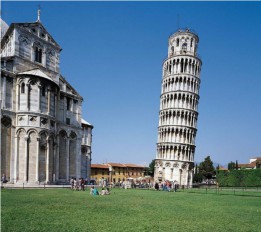
How does the Leaning Tower of Pisa survive earthquakes
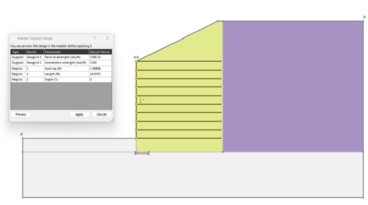
Stop Guessing, Start Designing: Introducing Support Designer in Slide2
Development program prepares new engineers for success