
Emergency protocols activated following offshore 7.7 magnitude earthquake in Japan
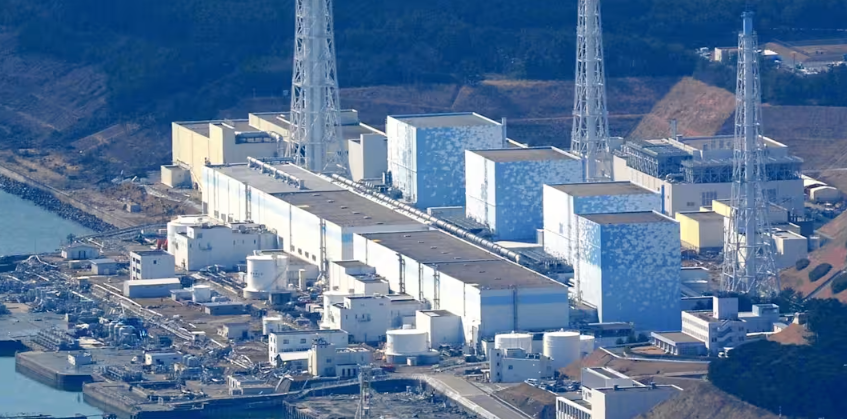

- Coastal defence systems remain vulnerable to overtopping, requiring conservative design margins.
- Integrated evacuation planning must be embedded within facility layouts, particularly for critical infrastructure.
- Redundant power and cooling systems are essential to maintain operational safety during seismic events.
- Continuous coordination with national tsunami warning systems ensures sufficient response lead time.

Sources: independent.co.uk, nbcnews.com, geomechanics.io
Want to read more like this story?

Northern California Shaken: How a 7.0 Quake Tested Preparedness
Dec, 05, 2024 | NewsOn December 5, 2024, a powerful magnitude 7.0 earthquake shook Northern California, with its epicen...

Major earthquake in southern Philippines causes deaths and widespread damage
Jun, 08, 2026 | NewsA powerful magnitude 7.8 earthquake struck off the coast of Mindanao in the southern Philippines, ki...

Inside the 8.8 Quake That Shook the Pacific Rim and Triggers Global Tsunami Alerts
Jul, 30, 2025 | NewsOn July 30, 2025, a powerful 8.8-magnitude earthquake struck just off the coast of Russia’s Kamchat...

Powerful 7.4-Magnitude Earthquake Strikes Kamchatka Peninsula
Sep, 12, 2025 | NewsA magnitude 7.4 earthquake struck off the east coast of Russia’s Kamchatka Peninsula on September 1...

New early warning system could have saved lives during the 2011 Japan tsunami
May, 28, 2017 | NewsSimulations assessing how the system would have responded to the 2011 Tohoku earthquake show that a...

Powerful M 7.1 earthquake struck Japan
Feb, 13, 2021 | NewsA massive M 7.1 earthquake hit off the coast of Japan on Saturday, February 13, 2021. Japan is an e...

M 7.5 earthquake hit Alaska triggering tsunami warnings
Oct, 19, 2020 | NewsA tsunami warning was issued after a powerful earthquake hit Alaska's southern coast. The M 7.5...
Japan's Megaquake (magnitude 9.0) Warning: 300,000 Lives at Risk
Apr, 08, 2025 | NewsJapan, a seismic hotspot perched on the Pacific Ring of Fire, is bracing for a potential catastroph...

Magnitude 7.4 and 6.8 earthquakes strike southern philippines, causing damage and evacuations
Oct, 10, 2025 | NewsTwo powerful offshore earthquakes struck the southern Philippines on October 10, leaving at least s...
On This Day
August 10th 1966
READ MORE
Related Video

Trending

Active landslide threatens long-term connectivity in southern Bulgaria


PLAXIS example: Westergaard's added mass for hydrodynamic pressures

Rock Mass Classification Systems: A Global Review of Use and Dominant Approaches

How does the Leaning Tower of Pisa survive earthquakes

Tailrace tunnel breakthrough advances Australia’s largest renewable project

A Legacy of Leadership, Mentorship & Service: Gary L. Seider P.E.