
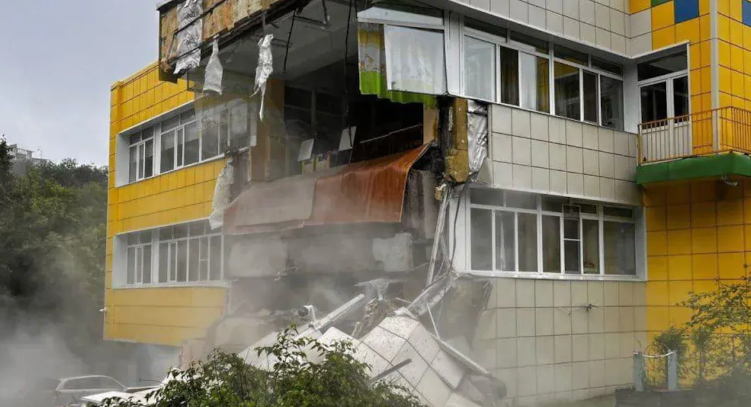
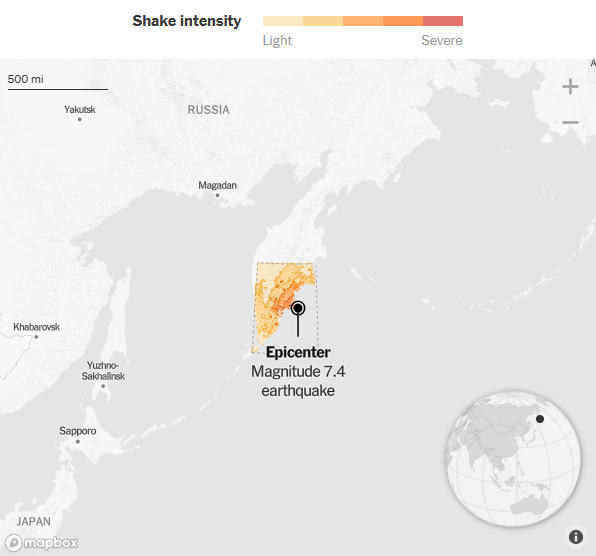
Powerful 7.4-Magnitude Earthquake Strikes Kamchatka Peninsula

Sources: bhaskarenglish.in, nytimes.com, nbcnews.com
Want to read more like this story?

Inside the 8.8 Quake That Shook the Pacific Rim and Triggers Global Tsunami Alerts
Jul, 30, 2025 | NewsOn July 30, 2025, a powerful 8.8-magnitude earthquake struck just off the coast of Russia’s Kamchat...

Massive earthquake struck off the coast of New Zealand
Jun, 18, 2020 | NewsA M 7.4 earthquake struck off the coast of New Zealand raising concerns about a potential tsunami....

Massive earthquake hits Alaska: Tsunami warning issued
Jul, 22, 2020 | NewsA massive M 7.8 earthquake that hit off the coast of Alaska, forced authorities to issue a tsunami...

Massive M 7,5 earthquake struck Papua New Guinea
May, 28, 2019 | NewsA powerful M 7.5 earthquake hit the eastern coast of Papua New Guinea on Tuesday, May 14, 2019. Th...

M 7.5 earthquake hit Alaska triggering tsunami warnings
Oct, 19, 2020 | NewsA tsunami warning was issued after a powerful earthquake hit Alaska's southern coast. The M 7.5...

M8.2 earthquake struck off the coast of Alaska
Jul, 28, 2021 | NewsA massive earthquake struck off the coast of Alaska prompting a tsunami alert for a large part of t...

Powerful 6.7 magnitude earthquake rattles the Philippines
Nov, 17, 2023 | NewsA powerful earthquake hit the Philippines today at 8:14 UTC, measuring a 6.7 (Mw) magnitude. The e...

Study suggests that smaller earthquakes generate most strong ground motions
Jan, 04, 2021 | NewsAccording to a new study, smaller earthquakes have caused the strongest shaking incidents in the vi...

5.7-Magnitude earthquake hits Istanbul: 8 injuries reported
Sep, 26, 2019 | NewsA 5.7-magnitude earthquake struck near Istanbul, the largest city of Turkey with 15 million people....
On This Day
August 18th 2008
READ MORE
Trending

China's Three Gorges Dam under pressure: Flood hazard downstream

Functional requirements of foundation structures


Landslide in Papua New Guinea: At least 12 people dead

Nepal’s Himalayan settlements face escalating flood and landslide threats