
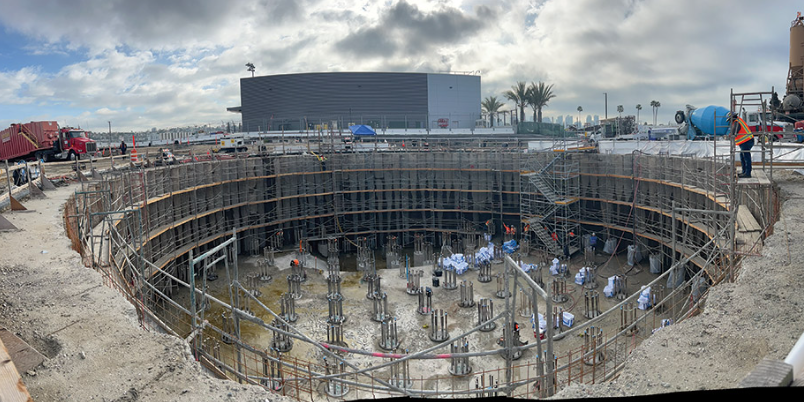
San Diego airport expansion tackles groundwater, seismic risk and sustainability in $3.8bn upgrade

Sources: enr.com, 10news.com, san.org
Want to read more like this story?

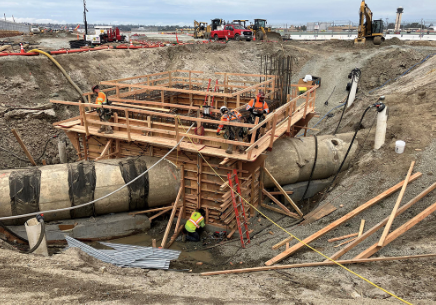
Beacon Hill Station Dewatering Project
Aug, 21, 2024 | NewsDewatering wells effectively lowered groundwater levels up to 60 ft before excavation of the shaft...
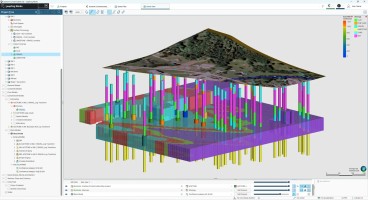
Brownfield success: Engineering excellence starts below ground
May, 06, 2026 | NewsWhy environmental and geotechnical teams must unite data and work as one to better manage risks in b...

Kansai International Airport: Engineering Ambition Meets Geotechnical Clayey Reality
Jul, 18, 2025 | NewsKansai International Airport (KIX), one of Asia’s busiest aviation hubs, was constructed entirely o...
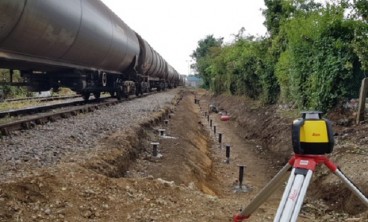
Helical piles solution for extending London Heathrow Airport's rail fuel terminal platform
Mar, 05, 2021 | NewsIn order to extend the rail fuel terminal platform by 328 feet, which would allow for a two-fold in...

Crane Valley Dam dewatering system design project
Jun, 19, 2024 | NewsKeller North America worked closely with the geotechnical engineer to design a dewatering system ca...

The Rising Threat of Groundwater Flooding: Risks and GeoEngineering Solutions
Feb, 28, 2025 | NewsGroundwater flooding is an often-overlooked hazard, but as climate change intensifies, its risks ar...

Support of excavation and deep foundations for a multi-use building
Apr, 17, 2024 | NewsKeller designs and installs support of excavation and deep foundations for a multi-use building, wo...
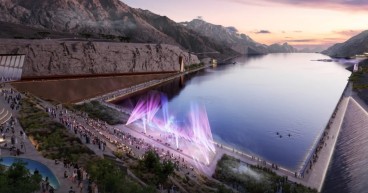
Trojena 4.7bn NEOM reservoir project stopped, leaving partial geotechnical and hydraulic challenges
Apr, 10, 2026 | NewsThe artificial lake and dam project at Trojena, part of Saudi Arabia’s NEOM development, has reporte...

Brigantine Connector Project
Oct, 07, 2024 | NewsDuring the construction of the 2,900-ft-long tunnel/depressed roadway section of the Atlantic City-...
On This Day
August 7th 2010
READ MORE
Related Video

Trending

Unstable Ground: Lessons from the I-80 New Jersey Sinkhole Saga

Seequent announced extended gINT support until Dec 31, 2028
New Release: GeoStudio 2025.2
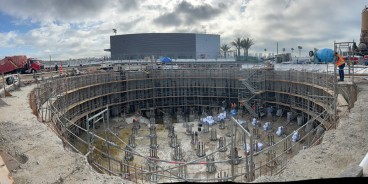

Artificial Ground Freezing: Applications, Techniques, and Key Considerations
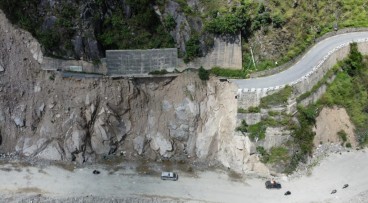
Nepal’s Himalayan settlements face escalating flood and landslide threats