
Trojena 4.7bn NEOM reservoir project stopped, leaving partial geotechnical and hydraulic challenges
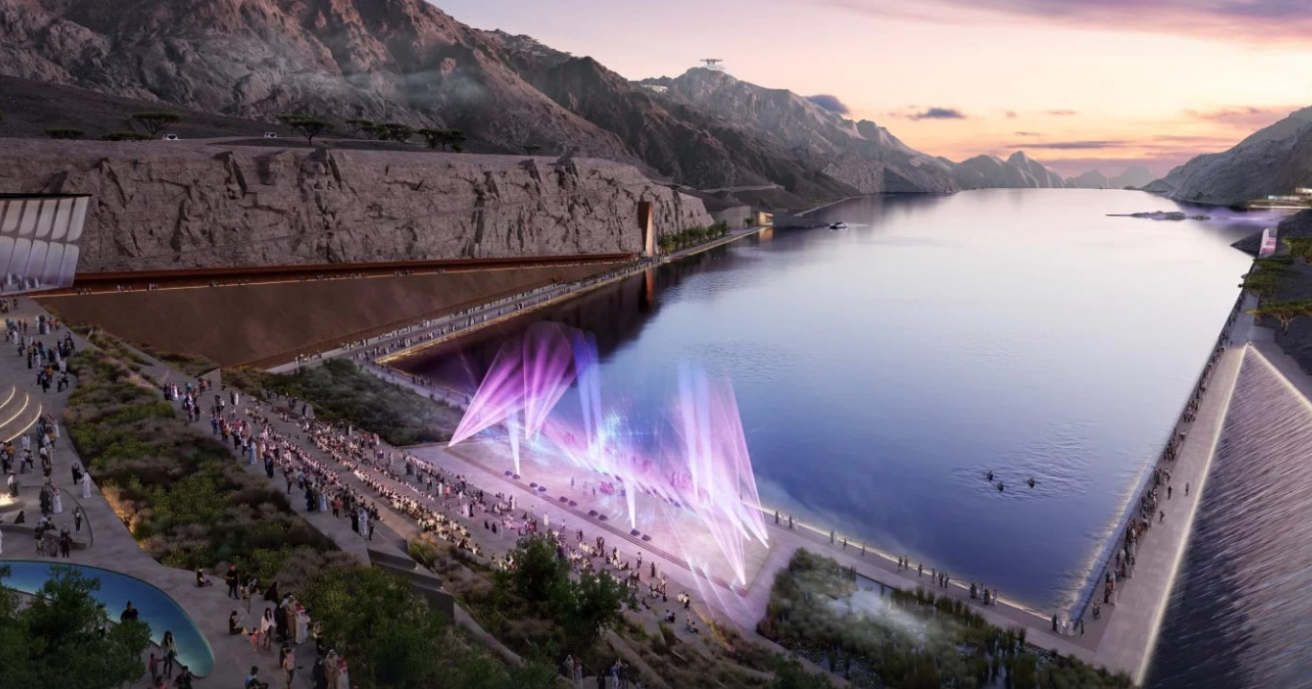
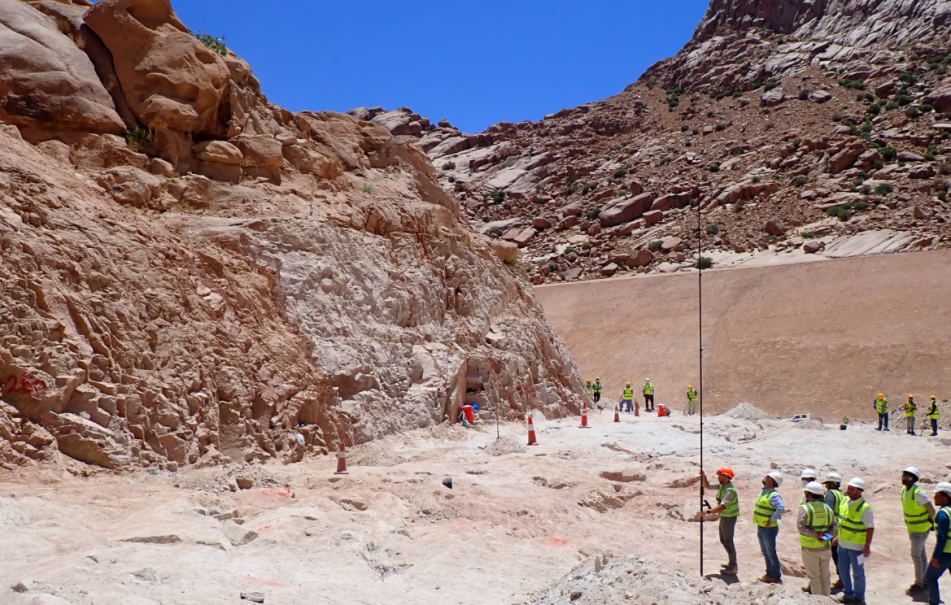
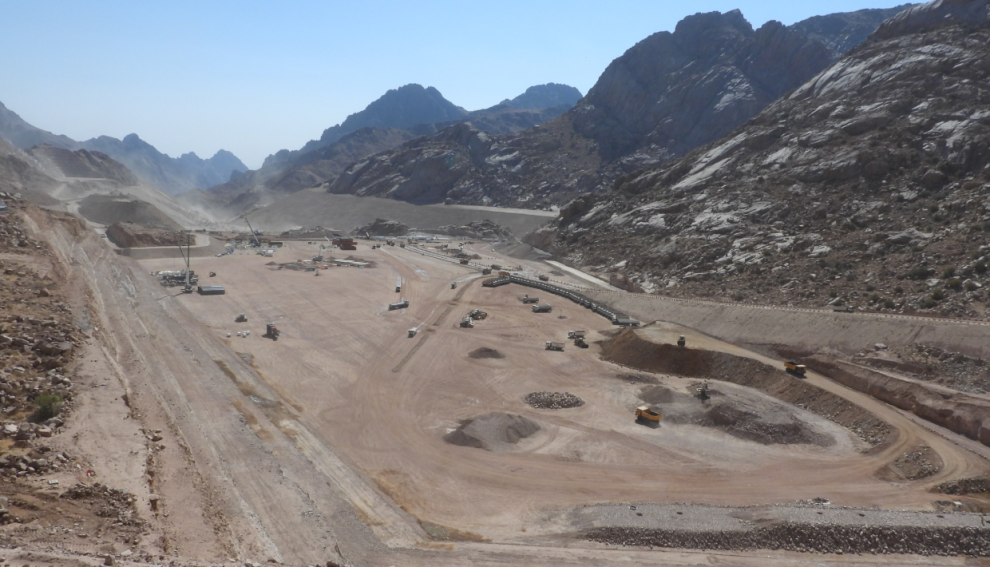
- Assessment of slope stability within excavated areas, where exposed materials may be susceptible to erosion and weathering.
- Monitoring of pore water pressures to identify potential seepage or subsurface instability.
- Use of instrumentation, such as inclinometers, to detect ground movement in steep terrain.
- Implementation of drainage and erosion control measures to manage surface runoff and reduce downstream risks.
Sources: pietrangeli.com, geomechanics.io, ecoticias.com, newcivilengineer.com
Want to read more like this story?
Active fault raises geotechnical questions for the Brahmaputra mega dam
Jul, 11, 2026 | NewsChinese geologists have warned that an active fault line beneath the planned Yarlung Tsangpo hydropo...

Nairobi dam at risk of breach as rising water levels trigger mass evacuations
Mar, 22, 2026 | NewsAuthorities in Nairobi have issued urgent evacuation orders for multiple downstream neighbourhoods...
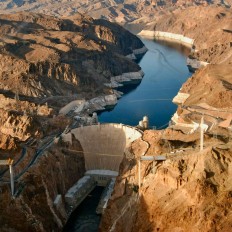
History of the Hoover Dam
Jun, 30, 2020 | NewsIntroduction Hoover Dam is the tallest arch dam constructed in the United States and forms one of...
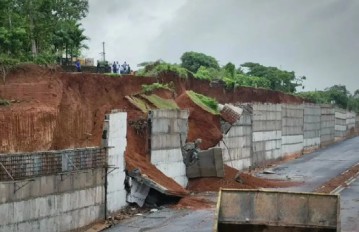
Heavy rain triggers retaining wall collapse at highway construction site in Karnataka
Jul, 02, 2026 | NewsA retaining wall and part of a hillside collapsed at an under-construction National Highway site nea...

Geotechnical Engineering 2032 Boom: Trends, Challenges, and Emerging Opportunities
Mar, 03, 2025 | NewsGeotechnical engineering is at the core of modern infrastructure, ensuring the stability of buildin...
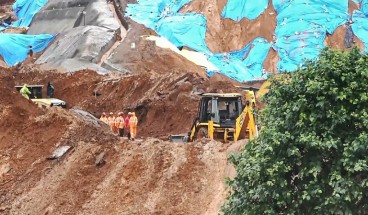
Fatal landslide exposes construction-stage risks around tunnel portals
Jul, 08, 2026 | NewsA fatal landslide at the under-construction Anakkampoyil-Kalladi-Meppadi road tunnel project in Kera...
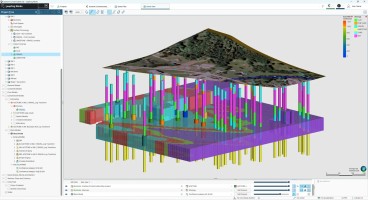
Brownfield success: Engineering excellence starts below ground
May, 06, 2026 | NewsWhy environmental and geotechnical teams must unite data and work as one to better manage risks in b...

Building Tunnels Responsibly: A Dual Approach to Risk
Jun, 27, 2025 | NewsAs we live in an era where tunnelling and underground technologies are rapidly gaining traction wor...

Dam Engineering
Apr, 10, 2020 | EducationA dam is an infrastructure system that consists of several structures with the intent to collect,...
On This Day
August 23rd 1917
READ MORE
Related Video

Trending

Seequent announced extended gINT support until Dec 31, 2028

New Release: GeoStudio 2025.2
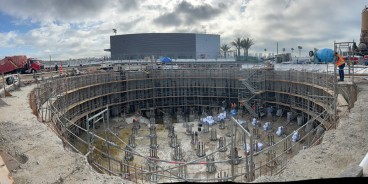

Artificial Ground Freezing: Applications, Techniques, and Key Considerations

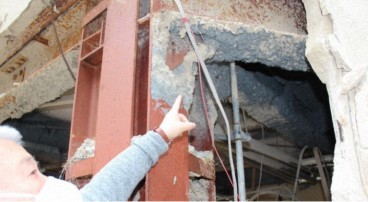
Asbestos remains a deadly infrastructure risk across the UK
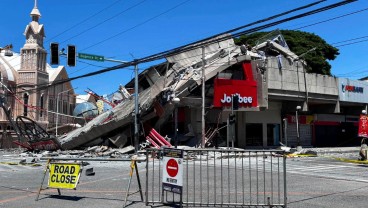
Major earthquake in southern Philippines causes deaths and widespread damage