
Record floods and landslides devastate Southeast Asia as death toll surpasses 600

Southeast Asia is facing one of its most severe flood–landslide seasons in recent years, with more than 600 fatalities confirmed across Sri Lanka, Indonesia, Thailand and Malaysia.
In particular, Sri Lanka is facing one of its worst natural disasters in years as the death toll from floods and landslides triggered by Cyclone Ditwah has climbed to 334, with nearly 400 people still missing. Although rainfall eased after a week of intense downpours, large areas of Colombo remain submerged, particularly along the swollen Kelani River. More than a million residents have been affected, with entire communities displaced and extensive structural damage recorded in flood-prone regions such as Manampitiya. Authorities report severe shortages in essential services, including blood supplies, while saturated slopes continue to pose a high risk of additional landslides. Over 25,000 homes have been destroyed, prompting a nationwide emergency response and international assistance.

Heavy rainfall driven by a rare tropical storm system forming in the Malacca Strait produced prolonged, high-intensity precipitation that overwhelmed drainage networks and destabilised slopes across multiple regions. Indonesia has recorded at least 442 deaths, with North Sumatra, West Sumatra and Aceh experiencing widespread slope failures and extensive inundation. Two cities, Central Tapanuli and Sibolga, remain cut off due to washed-out roads and collapsed embankments, hampering access for relief teams.
The flooding has affected more than four million people regionwide, including nearly three million in southern Thailand and more than one million in western Indonesia. Transport corridors have been severely impacted, with road embankment failures, eroded culverts and collapsed retaining structures disrupting mobility and emergency access. Landslide-prone slopes, already saturated from successive rainfall events, experienced deep-seated failures that destroyed homes, blocked arterial routes and isolated entire districts. In Malaysia, localized slope collapses and rapid-rise flooding produced additional structural losses, though fatalities remained lower.


Rescue teams in Indonesia are navigating damaged terrain with limited heavy equipment, slowing efforts to reach isolated communities. Warships carrying emergency supplies have been deployed to inaccessible coastal areas. Communication lines remain disrupted in multiple districts, complicating damage assessment and stabilization work. With slopes still saturated and rainfall persisting in several regions, authorities warn that additional failures remain likely. Long-term recovery will require extensive reconstruction of damaged transport links, reassessment of slope stability in critical zones and strengthened early-warning systems to address increasingly severe seasonal rainfall patterns.
Following, a video footage on the devastating South-East Asia floods.

Sources: news.sky.com, thenewsmill.com, english.alarabiya.net, newsonair.gov.in, aljazeera.com
Want to read more like this story?

Rainfall saturation triggers deadly hillside collapses in Ethiopia
Mar, 13, 2026 | NewsAt least 102 people have been killed after a series of landslides and floods struck the Gamo Zone i...

Central Java landslides highlight severe slope instability
Nov, 17, 2025 | NewsHeavy rainfall across Indonesia’s Central Java region has triggered multiple landslides, resulting...

Heavy rainfall triggers fatal Sri Lanka landslide amid rising regional geohazard pressures in Asia
Nov, 22, 2025 | NewsA severe landslide in Sri Lanka’s Central Province has resulted in the deaths of four people, accor...
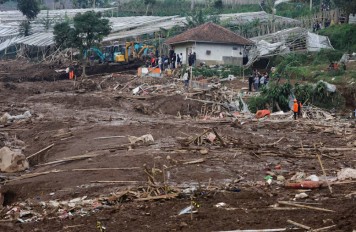
Dozens missing following deadly landslide in West Bandung
Jan, 24, 2026 | NewsAuthorities in Indonesia are continuing large-scale search and recovery operations after a major la...

Heavy rainfall trigger devastating floods in Mexico, at least 28 dead
Oct, 10, 2025 | NewsHeavy rainfall in central and southeastern Mexico has unleashed floods and landslides that have cla...

Saturated Slopes and Flash Floods: Hazards in the Himalayas and Caucasus
Aug, 05, 2025 | NewsRecent weeks have seen intense rainfall triggering destructive mudslides in two mountainous regions...
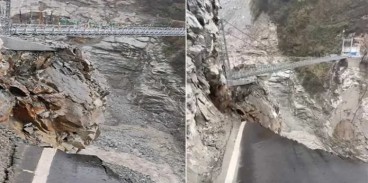
Landslides in Sikkim, India cut off critical mountain transport routes
Apr, 06, 2026 | NewsSevere rainfall across the Himalayan state of Sikkim has triggered multiple landslides and road fail...
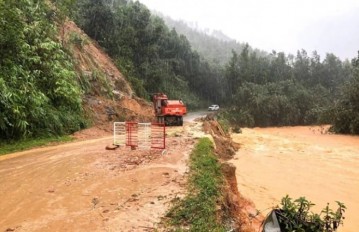
Vietnam Hit by multiple landslides after extreme rainfall, intensifying the human impact
Dec, 05, 2025 | NewsVietnam has experienced one of its most severe sequences of rainfall-induced hazards in decades, wi...

Landslides and flash floods in North Sumatra kill at least 10, leave six missing
Nov, 25, 2025 | NewsTorrential monsoon rains over the past week unleashed flash floods and triggered landslides on Indo...
On This Day
August 13th 1916
READ MORE
Related Video

Trending

New crustal stress map of North America

Using Terzaghi’s Equation in Foundation Design

Parameters Variation: Model Customization and Sensitivity Analyses


UK geothermal projects expand from Cornwall power to Birmingham heating
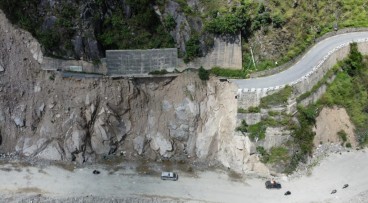
Nepal’s Himalayan settlements face escalating flood and landslide threats