
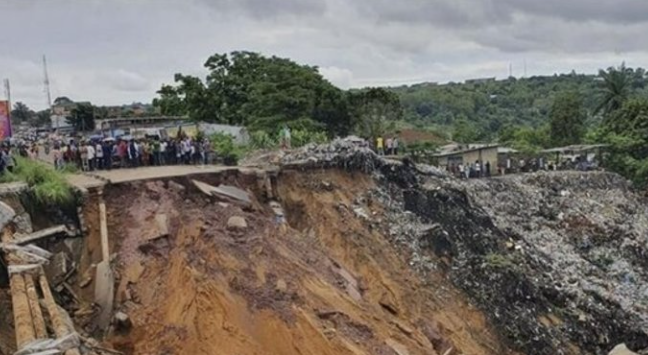
Deadly mining landslide in Central African Republic raises safety concerns
Sources: www.aa.com.tr, english.news.cn, mayorsandcities.com
Want to read more like this story?

At least 200 dead following mine shaft collapse in rebel-held Eastern Congo
Feb, 01, 2026 | NewsAt least 200 people have been killed following the collapse of multiple mine shafts at the Rubaya c...

Mine collapse in Congo: At least 43 fatalities
Jun, 27, 2019 | NewsAt least 43 miners were killed after a mine collapsed in the Democratic Republic of Congo. The dram...

Landslide in Myanmar mine: At least 168 people dead
Jul, 02, 2020 | NewsAt least 168 people have been reported dead after a landslide struck an open pit mining facility i...

Six Lost in Chilean Mine: Seismic Shock Triggers Collapse
Aug, 01, 2925 | NewsOn August 1, 2025, a collapse at Chile’s El Teniente mine claimed the lives of six workers and inju...

Bridge collapse at Congo copper-cobalt mine kills at least 32
Nov, 15, 2025 | NewsA bridge collapsed on 15 November 2025 at the Kalando mine, a copper and cobalt mining site in Mulo...
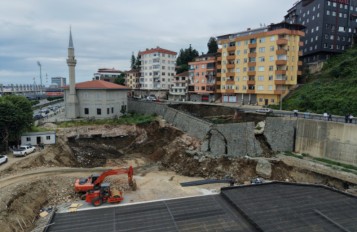
Road collapse in Rize shows the risk of unsupported excavation near urban buildings
Jul, 11, 2026 | NewsA road collapsed suddenly in Rize, Turkey, after ground movement developed beside an active building...

14 people confirmed dead after mine collapse in El Callao
Oct, 13, 2025 | NewsIn El Callao, southeastern Venezuela, a catastrophic collapse of three vertical shafts at the Cuatr...

Risk Management in Mining: The Importance of Geotechnical Analysis
Apr, 01, 2025 | NewsGeotechnical analysis involves studying the physical properties of soil and rock to determine their...

Large-scale landfill slope failure strikes central Philippines
Jan, 10, 2026 | NewsRescue teams in Cebu City are continuing round-the-clock operations after a massive landfill collap...
On This Day
August 12th 2004
READ MORE
Related Video

Trending

China's Three Gorges Dam under pressure: Flood hazard downstream

Functional requirements of foundation structures


Landslide in Papua New Guinea: At least 12 people dead

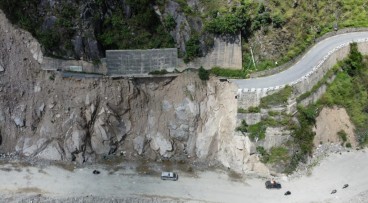
Nepal’s Himalayan settlements face escalating flood and landslide threats