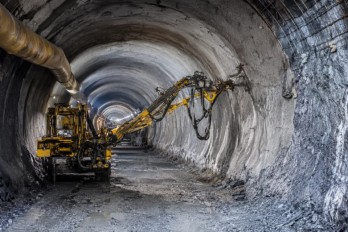
Seismic Shock: Magnitude 7.3 Earthquake Unleashes Destruction in Vanuatu



Sources: abcnews.go.com, edition.cnn.com
Want to read more like this story?

M7.1 Earthquake in Vanuatu
Oct, 21, 2015 | NewsA M7.1 Earthquake, recorded on Wednesday struck just off the coast of the island nation of Vanuatu i...
Geotechnical Earthquake Engineering
Apr, 21, 2020 | Education

Alaska rocked by M7.0 earthquake as aftershocks intensify, raising infrastructure risks
Dec, 07, 2025 | NewsA magnitude 7.0 earthquake struck near Yakutat, Alaska, triggering more than 160 aftershocks within...

Powerful 7.4-Magnitude Earthquake Strikes Kamchatka Peninsula
Sep, 12, 2025 | NewsA magnitude 7.4 earthquake struck off the east coast of Russia’s Kamchatka Peninsula on September 1...

Seismic Devastation in Tibet: Earthquake Claims Hundred's of Lives and Crumbles Infrastructure
Jan, 07, 2025 | NewsA catastrophic earthquake struck the remote Tingri County in Tibet on January 7, 2025, causing wide...
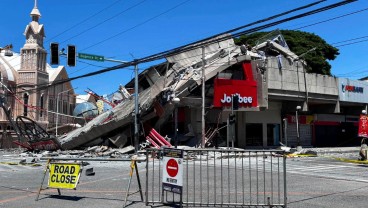
Major earthquake in southern Philippines causes deaths and widespread damage
Jun, 08, 2026 | NewsA powerful magnitude 7.8 earthquake struck off the coast of Mindanao in the southern Philippines, ki...

Powerful earthquake struck Mexico: At least one fatality
Sep, 08, 2021 | NewsAt least one person died after a M 7.0 earthquake hit southwestern Mexico on September 8, 2021. Th...

Powerful M 7.1 earthquake struck Japan
Feb, 13, 2021 | NewsA massive M 7.1 earthquake hit off the coast of Japan on Saturday, February 13, 2021. Japan is an e...

6.4 Magnitude Quake Rocks Taiwan: Infrastructure and Preparedness Under Spotlight
Jan, 21, 2025 | NewsIn the early hours of January 21, 2025, a 6.4-magnitude earthquake struck southern Taiwan near Chia...
On This Day
August 22nd 1902
READ MORE
Related Video

Trending
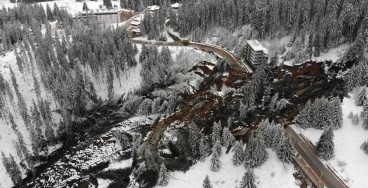
Active landslide threatens long-term connectivity in southern Bulgaria


PLAXIS example: Westergaard's added mass for hydrodynamic pressures

Rock Mass Classification Systems: A Global Review of Use and Dominant Approaches
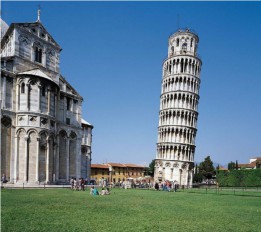
How does the Leaning Tower of Pisa survive earthquakes
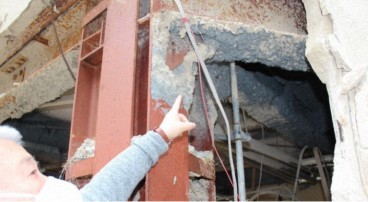
Asbestos remains a deadly infrastructure risk across the UK
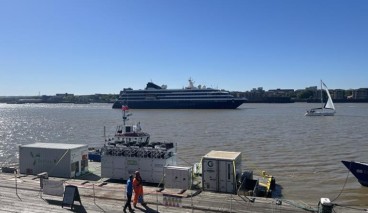
Port of Tilbury demonstrates hydrogen as diesel alternative