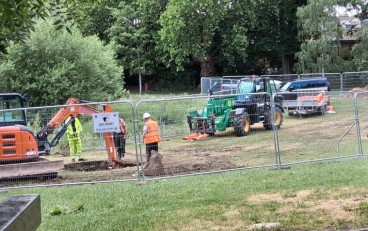
GriffinLink project signals shift toward integrated European offshore power grids
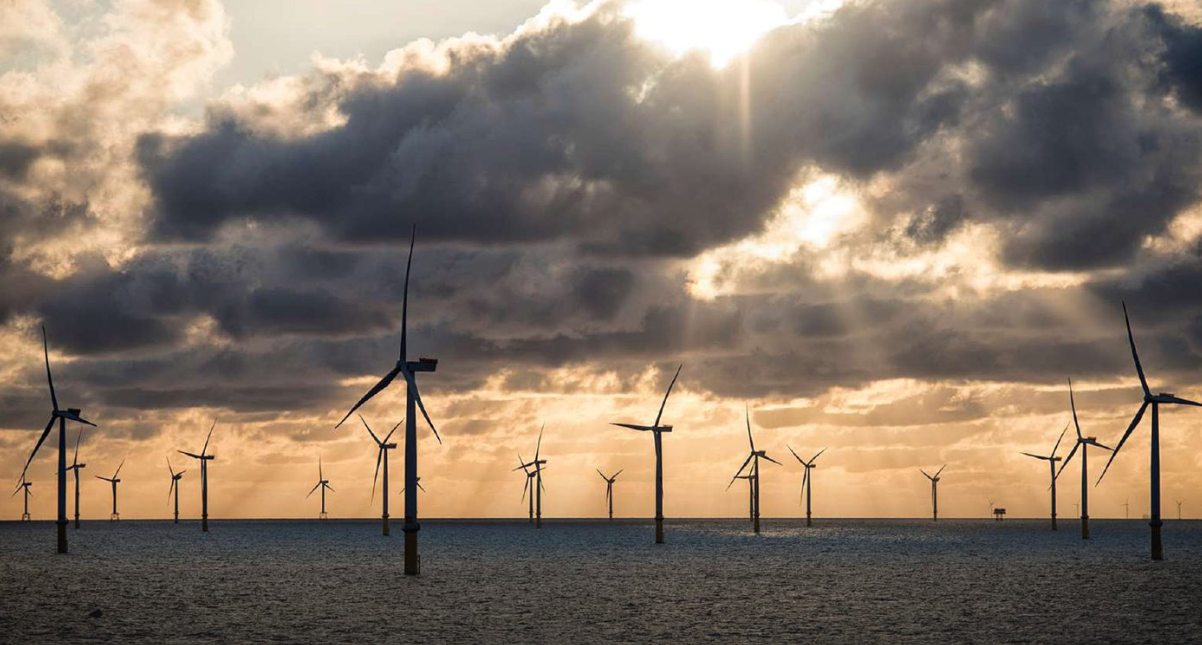
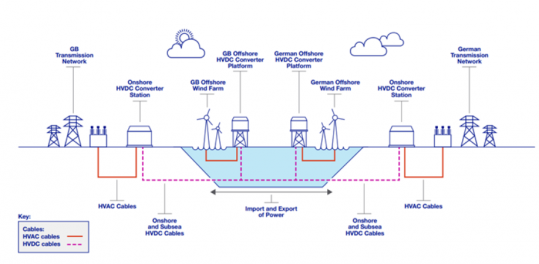

Sources: nationalgrid.com, tennet.eu, offshore-energy.biz
Want to read more like this story?

The Rise of Offshore Wind Energy and the Role of Geotechnical Modelling with PLAXIS and SACS
Nov, 03, 2025 | NewsOffshore wind energy has emerged as a cornerstone in the global transition toward sustainable energ...

New connector aims to reduce downtime and enhance safety in floating offshore wind farms
Jun, 01, 2026 | NewsFloating offshore wind is advancing quickly, but one of its practical challenges remains the safe an...

First US offshore wind farm under construction!
Apr, 30, 2015 | NewsThe construction of the first offshore wind farm has just started on US ground in Block Island , a s...

The New Flagship of Offshore Site Investigation
Apr, 30, 2025 | NewsA new chapter in offshore geotechnical investigation begins with the launch of Bridgewater Discove...

Japan’s largest offshore wind farm begins commercial operation in Kitakyushu
Mar, 04, 2026 | NewsJapan’s largest offshore wind power facility has officially begun commercial operations. The 220 MW...
Offshore Geotechnics
May, 07, 2020 | Education

Europe's huge potential renewable energy: Manipulating onshore windfarms
Aug, 26, 2019 | NewsAccording to a new study, published in Energy Policy Journal, Europe is capable of producing enough...

Revolutionizing Offshore Surveys: Drones Take the Lead in Wind Farm Development
Dec, 16, 2024 | NewsThe future of offshore wind farm surveys is here, with drones set to play a pivotal role in mapping...

PLAXIS-Powered Geotechnical Solutions for Wind Energy: Onshore, Offshore, and Floating Systems
Jul, 30, 2025 | EventIn the second webinar of the Green Energies series, we will focus on the geotechnical analysis and...
On This Day
August 12th 1930
READ MORE
Related Video

Trending

Dubai approves $9.2bn fully underground gold line metro

How to prevent copper wire theft from light poles
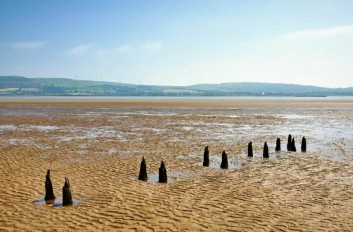
The quicksand of Morecambe Bay

Model Structures and Visualize Structural Forces
Rapid Drawdown in Dam and Levee Design: A Hydrogeologic Perspective in Slide2