
Cebu Earthquake: Province Declares State of Calamity After Deadly Quake
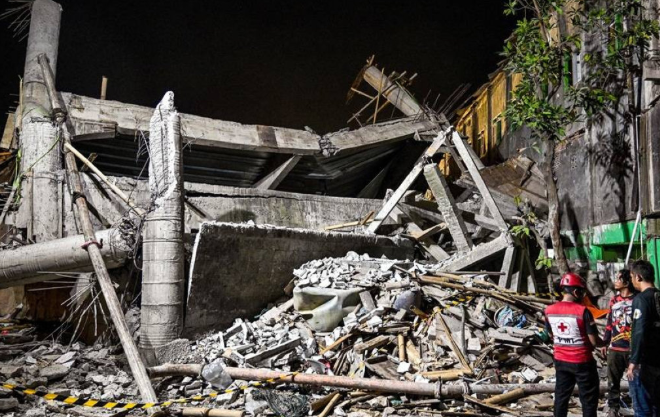
A powerful magnitude 6.9 earthquake struck the central Philippines on Tuesday night, killing at least 69 people and leaving hundreds injured. The province of Cebu, which bore the brunt of the impact, declared a state of calamity as thousands of residents spent the night outdoors due to repeated aftershocks.

The hardest-hit area was Bogo City, where buildings collapsed, roads cracked, and hospitals were forced to treat patients in tents set up outside. Search and rescue operations continue across affected communities as officials rush to restore power and deliver emergency aid.
Authorities reported more than 600 aftershocks within 24 hours, including a magnitude 4.7 tremor on Wednesday afternoon. These ongoing shocks made it difficult for residents to return home and complicated rescue efforts.
Bridges, roads, and power lines across Cebu were damaged, isolating towns and slowing emergency response. Historic churches, some dating back centuries, suffered partial collapses, and one bell tower was caught on video toppling during the quake.
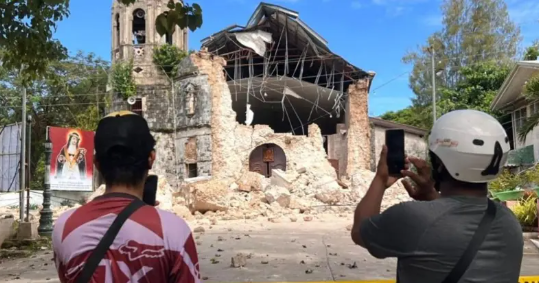
The Philippines lies on the Pacific “Ring of Fire,” where shifting tectonic plates make earthquakes frequent and sometimes devastating. Additionally, preceding typhoons produced an unusually wet monsoon period, leaving slopes saturated across the central islands. The earthquake’s shallow focal depth, reported at approximately 5 km and centered about 19 km northeast of Bogo, intensified near-surface shaking. Saturated ground conditions increased susceptibility to ground failures, including landslides and localized bearing capacity loss, particularly along steep hillsides and embankments. Multiple aftershocks, including a magnitude 4.7 event, sustained the hazard environment and complicated structural assessments. Historic masonry and older buildings, including churches, experienced damage such as tower and façade collapses consistent with out-of-plane failure under lateral loads. Lifeline systems were also affected; power lines went down and temporary field medical facilities were established to treat the injured.
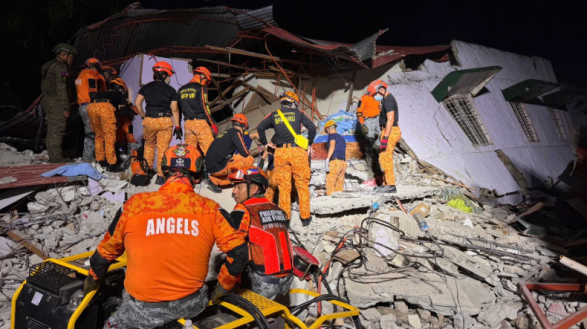

Authorities are continuing to focus on search and rescue operations, temporary shelter, and damage assessment. Structural inspections are underway to ensure buildings, particularly schools and public facilities, are safe for use.
Check out the following video for more footage on the powerful earthquake shocking the entire nation of Philippines.

Sources: www.rokna.net, bbc.com, apnews.com, abcnews.go.com
Want to read more like this story?

Magnitude 7.4 and 6.8 earthquakes strike southern philippines, causing damage and evacuations
Oct, 10, 2025 | NewsTwo powerful offshore earthquakes struck the southern Philippines on October 10, leaving at least s...

Northern Philippines: At least five fatalities and dozens injuries after 7.0-magnitude earthquake triggers landslides
Jul, 27, 2022 | NewsAt least five people have been killed and dozens have been injured after a 7.0-magnitude earthquake...

Massive earthquake struck Philippines
Dec, 15, 2019 | NewsA M 6.8 earthquake struck the southern part of the Philippines resulting in at least 3 fatalities. ...

Afghanistan Earthquake Kills Over 1,400: Impact of Terrain and Construction
Aug, 31, 2025 | NewsA major magnitude-6.0 earthquake struck eastern Afghanistan on Sunday, August 31, resulting in an o...

Earthquakes in Italy Leave 250 Dead; Rescue Efforts Continue
Aug, 24, 2016 | NewsEarly Wednesday morning, a magnitude 6.2 earthquake struck central Italy. Some of the most heavily a...

Alaska rocked by M7.0 earthquake as aftershocks intensify, raising infrastructure risks
Dec, 07, 2025 | NewsA magnitude 7.0 earthquake struck near Yakutat, Alaska, triggering more than 160 aftershocks within...

5.7-Magnitude earthquake hits Istanbul: 8 injuries reported
Sep, 26, 2019 | NewsA 5.7-magnitude earthquake struck near Istanbul, the largest city of Turkey with 15 million people....

Two strong earthquakes struck Philippines
Apr, 22, 2019 | NewsNumerous people were reported dead after 2 strong earthquakes struck Philippines. The first shoc...

Mexico gets hit again by deadly M7.1 earthquake (video)
Sep, 22, 2017 | NewsThe earthquake struck central Mexico on Tuesday, September 19, killing at least 250 people. The 7...
On This Day

Related Video

Trending

Landslide in Papua New Guinea: At least 12 people dead


Life after gINT - Rethinking geotechnical data management for a new era

Lake Chippewa’s floating island that has to be boat-pushed every year

How Do Dams Trigger Earthquakes?

3D printed concrete sleepers to support Teesside carbon capture pipeline

Data-rich, insight-poor? It’s time to tame your geotechnical data chaos