The Grand Ethiopian Renaissance Dam Is Officially Complete


Sources: aljazeera.com, bbc.com, dailymail.co.uk, edition.cnn.com
Want to read more like this story?

Ethiopia: a controversial hydroelectric dam, built on the Blue Nile River, starts generating power
Feb, 19, 2022 | NewsA hydroelectric dam, built on the Blue Nile River in Ethiopia, will officially begin generating pow...

Grand Dam on the Blue Nile River continues to cause tension between Ethiopia and Egypt
Jun, 18, 2013 | NewsForeign ministers of Egypt and Ethiopia met in Addis Ababa on Monday to discuss the consequences of...

China directs attention to solar and wind power: Beginning of an end for vast dam projects
Jul, 10, 2020 | NewsChina is leaning towards utilizing wind and solar power, something that will alter the country's st...
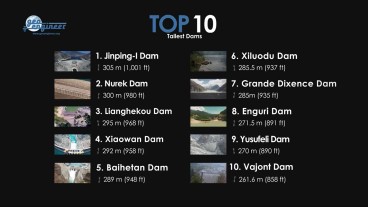
Exploring the World’s 10 Tallest Dams
Dec, 16, 2024 | EducationDams are among humanity's most remarkable engineering achievements, serving as vital infrastructu...
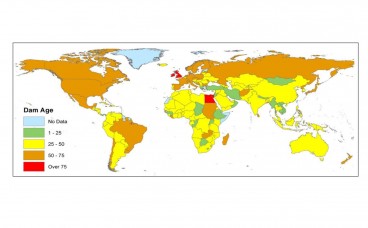
Aging dam infrastructure: A severe future threat
Jan, 22, 2021 | NewsAccording to a new report, issued by the United Nations University, aging water storage facilities...

Dam Engineering
Apr, 10, 2020 | EducationA dam is an infrastructure system that consists of several structures with the intent to collect,...
May 31st is National Dam Safety Awareness Day in America
May, 31, 2016 | NewsOn the May 31st we commemorate the significant role dams play in American life. From providing nearl...

Dam Safety Association Presents Annual Awards
Nov, 27, 2006 | NewsAt each annual conference, the Association of State Dam Safety Officials recognizes individuals who...

China's Three Gorges Dam under pressure: Flood hazard downstream
Jul, 28, 2020 | NewsAs China has been devastated by heavy rainfalls, the Three Gorges Dam is under heavy flood pressure...
On This Day
August 10th 1856
READ MORE
Related Video

Trending

Seequent announced extended gINT support until Dec 31, 2028

New Release: GeoStudio 2025.2
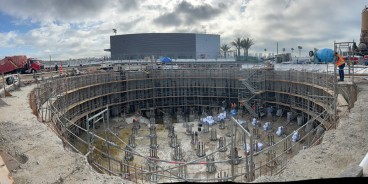

Artificial Ground Freezing: Applications, Techniques, and Key Considerations
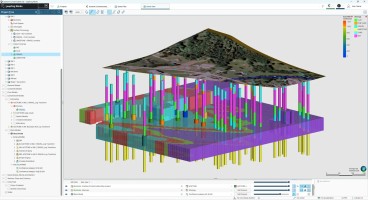
Brownfield success: Engineering excellence starts below ground
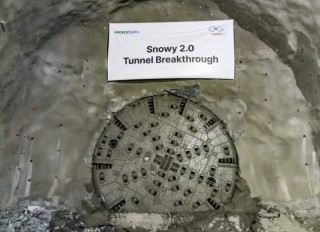
Tailrace tunnel breakthrough advances Australia’s largest renewable project

A Legacy of Leadership, Mentorship & Service: Gary L. Seider P.E.