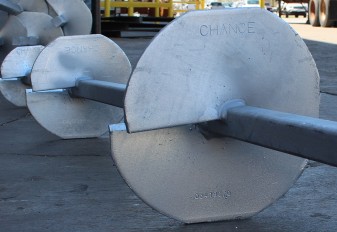
The Heat Beneath Us: Geothermal Energy Fuels AI’s Ambitions


Sources: oilprice.com, sustainabilitybynumbers.com
Want to read more like this story?

Geothermal Energy Could Power the U.S. for Millennia—Here’s How
Mar, 08, 2025 | NewsFor decades, geothermal energy has remained a largely untapped resource in the United States, limit...

Best Alternatives for Fossil Fuels
May, 24, 2021 | NewsThe issue of climate change is becoming more and more relevant every year. Of course, it should’ve...

Geothermal Energy Scales Up for Data Centers in New Mexico
Jun, 23, 2025 | NewsA 150-megawatt advanced geothermal project is underway in New Mexico to support data center operati...

Northern Ireland: new consortium to explore geothermal energy projects
Dec, 21, 2021 | NewsProjects that provide 100% renewable energy to homes and businesses across the region will be broug...
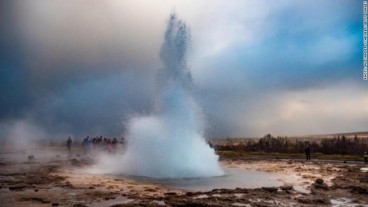
Iceland introduces geothermal energy to China
Oct, 24, 2018 | NewsIceland, a country that highly manipulates geothermal energy, will deliver its knowledge to China....
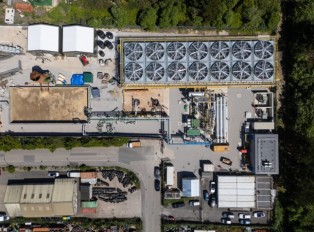
UK’s first geothermal power station begins operation in Cornwall
Feb, 28, 2026 | NewsThe United Downs geothermal power plant in Cornwall has officially begun generating electricity, ma...

GEMINI Project: Pioneering Geothermal Energy in Ireland
Nov, 26, 2024 | NewsThe GEMINI project, an ambitious €20/£17.3m initiative, is setting a new standard for sustainable e...

Breaking New Ground: A Toolkit to Advance Geothermal Energy in Europe
Nov, 18, 2024 | NewsGeothermal energy has the potential to revolutionize Europe’s renewable energy landscape, offering...
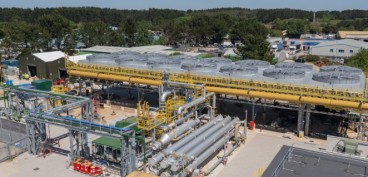
UK geothermal projects expand from Cornwall power to Birmingham heating
Apr, 16, 2026 | NewsThe United Kingdom is advancing geothermal energy development through a combination of deep geotherm...
On This Day
August 26th 2017
READ MORE
Related Video

Trending

Functional requirements of foundation structures


Landslide in Papua New Guinea: At least 12 people dead


Lake Chippewa’s floating island that has to be boat-pushed every year
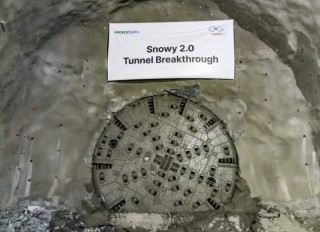
Tailrace tunnel breakthrough advances Australia’s largest renewable project
A Legacy of Leadership, Mentorship & Service: Gary L. Seider P.E.