It was impossible to foresee what began as heavy rainfall on 18 May, 2020, would end with the brutal failure of both the Edenville and Sanford dams in Michigan, USA.
But the catastrophe could have been avoided, according to conclusions drawn by an Independent Forensic Team (IFT) in their report released in September 2021, by the Federal Energy Regulatory Commission.
“The main culprit here was the Edenville dam,” says Vincent Castonguay, Research Engineer, Seequent. “Had it not failed, the Sanford dam would most probably be still standing today.”
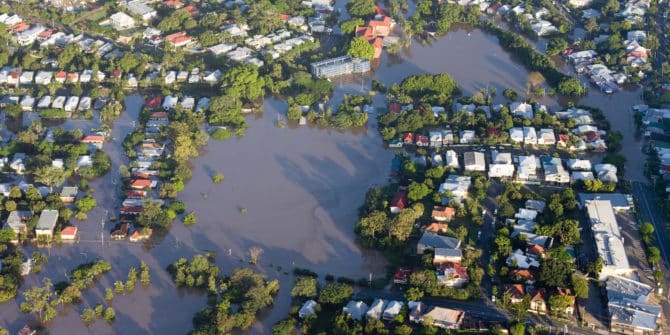
On 19 May at 5:35pm, overwhelmed by the deluge, the Edenville dam breached. It quickly overtopped the Sanford dam downstream, sending a wall of water along the Tittabawassee river.
Floodwaters forced the evacuation of 10,000+ people across the Midlands, Sanford, and Saganar communities, inundated over 2500 buildings, and caused more than $200 million in damage. Amazingly, no lives were lost.
Incredibly, eyewitnesses captured video footage at the exact moment the first dam failed.

“For engineers this is powerful, as we rarely get to see events like this unfold in real time,”
says Castonguay. The forensic team were then able to directly compare their GeoStudio software dam failure simulations with the actual recorded footage. Their analysis results showed a perfect match and helped determine the cause as a relatively rare dam failure phenomenon – static liquefaction.