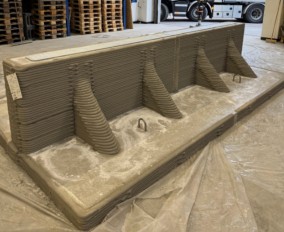
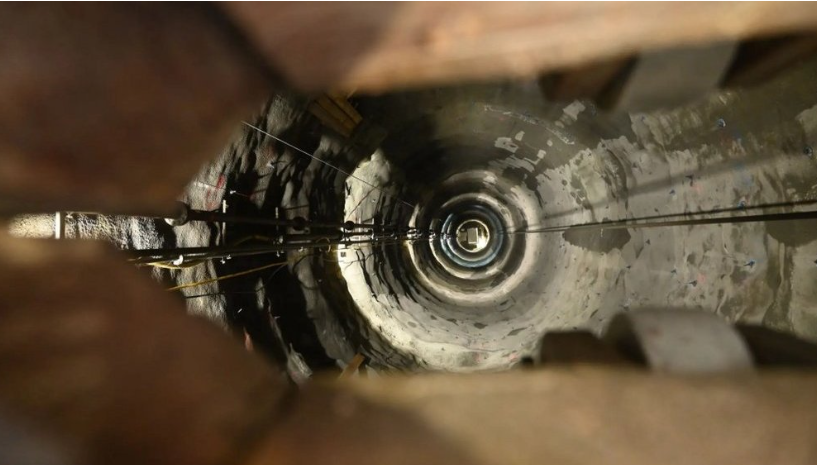
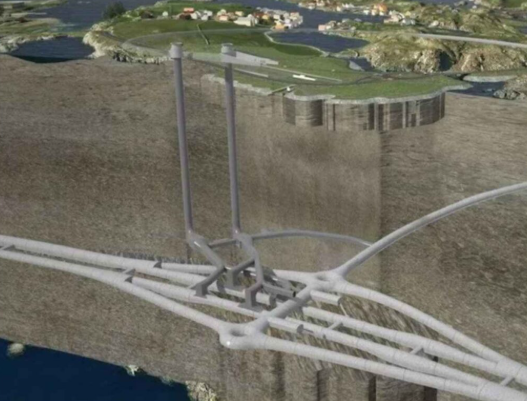
Deep ventilation works mark progress on world-record subsea road tunnel

Sources: tunnelsandtunnelling.com, vozpopuli.com, implenia.com
Want to read more like this story?
Deep beneath London: HS2 completes critical safety cross passages in Northolt tunnel
Apr, 27, 2026 | NewsHS2 has reached a major underground construction milestone with the completion of all 34 cross passa...

Implenia-led joint venture secures second contract for major Norwegian sub-sea road tunnel
Jun, 07, 2024 | NewsA joint venture between Implenia and Stangeland Maskin was awarded a second contract, worth CHF 540...
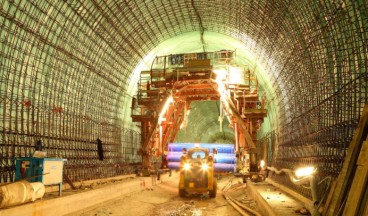
Polcevera ventilation tunnel completed for Italy’s Terzo Valico project
Jun, 28, 2026 | NewsExcavation has been completed on the 2 km Polcevera ventilation tunnel, a key underground element of...
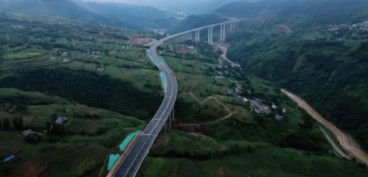
Engineering Through Rock and Faults: Geotechnical Challenges of the Daliangshan Highway Tunnel
Oct, 19, 2024 | NewsIn an ambitious endeavor, engineers in Sichuan Province, China, are breaking new ground—literally a...

Photo gallery: 9 of the world's greatest tunnels!
Jul, 14, 2014 | News2014 is the year of the 20th anniversary of the opening of the Channel Tunnel linking France with th...
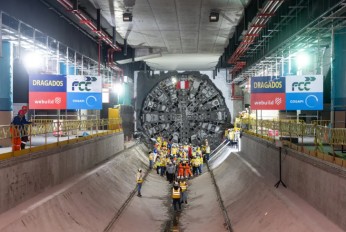
Lima completes tunnel excavation for Peru’s first fully underground metro
Jul, 20, 2026 | NewsExcavation has been completed on Lima Metro Line 2, marking a major milestone for Peru’s first fully...

8 new U.S. tunnels under way: fascinating and challenging
Jan, 10, 2014 | NewsWhether you live in the U.S. or not you will find the following tunnels that are currently being bui...
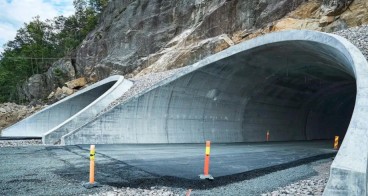
Norwegian tunnelling methods could reshape the Peak District tunnel case
Jul, 14, 2026 | NewsA new proposal has revived the long-running idea of a road tunnel beneath the Peak District, aiming...
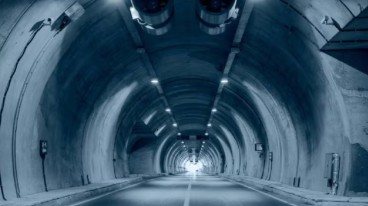
India first underwater road and rail tunnel under Brahmaputra
Jun, 15, 2026 | NewsIndia has approved the construction of its first underwater road-cum-rail tunnel beneath the Brahmap...
On This Day
August 15th 1950
READ MORE
Related Video

Trending
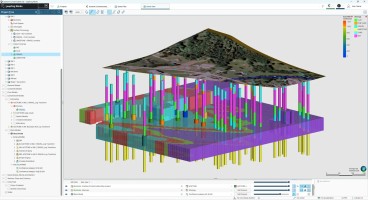
Brownfield success: Engineering excellence starts below ground

Scripting Comes to RS3: Automate, Customize, and Accelerate Your 3D Modelling

2D and 3D Analysis of Retaining Systems

Mine waste dam failure in Myanmar caught on video
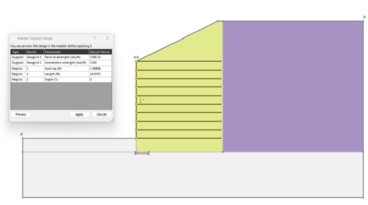
Stop Guessing, Start Designing: Introducing Support Designer in Slide2
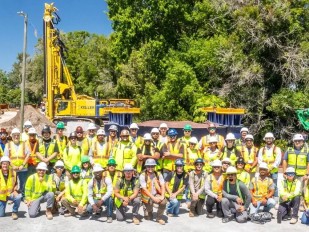
Development program prepares new engineers for success