Asbestos-contaminated play sand prompts widespread school closures across Australia and New Zealand

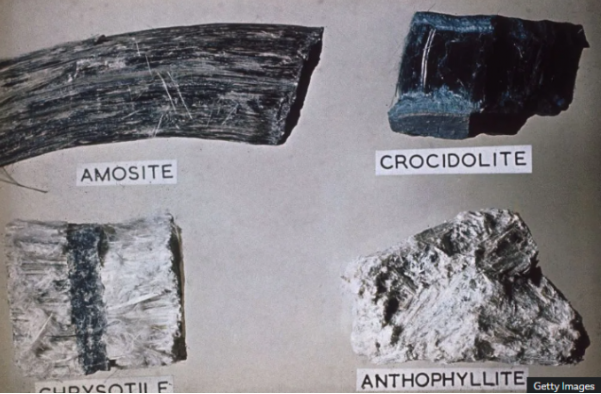
A large recall of coloured play sand used in schools and preschools occurred across Australia and New Zealand. Laboratory testing identified traces of tremolite and chrysotile asbestos in several sand products imported between 2020 and 2025. These materials are commonly used in sensory play, art activities and early childhood learning environments. Regulatory authorities confirmed that airborne asbestos fibres had not been detected in initial assessments, yet the presence of asbestos-containing material required immediate containment.
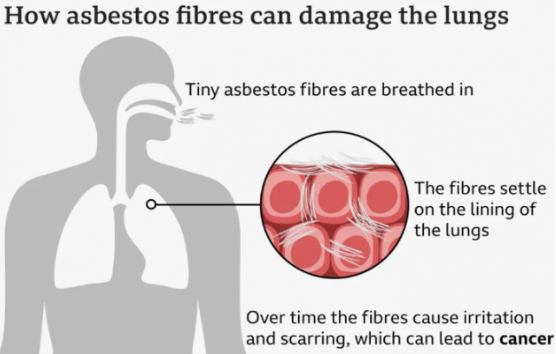
Briefly, asbestos is hazardous because its microscopic fibers become airborne when disturbed and can be inhaled deep into the lungs. These durable silicate fibers lodge permanently in tissue, causing long-term inflammation and scarring that may lead to asbestosis, lung cancer, and mesothelioma. Even brief or low-level exposure can be enough to trigger disease decades later, making asbestos one of the most persistent and severe environmental health threats worldwide. Although regulators stated that the sand posed a low likelihood of fibre release, standard safety protocols required that all potentially contaminated material be handled by licensed asbestos professionals.
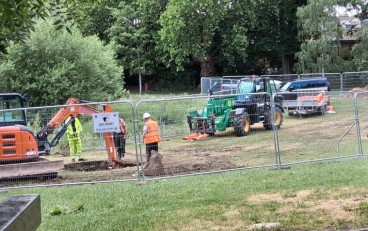
Authorities advised schools to isolate affected areas, prevent disturbance of materials and conduct air monitoring before reoccupation. Early results from the ACT indicated negative readings for airborne fibres, yet comprehensive testing continues across multiple jurisdictions.
In the Australian Capital Territory, a precautionary shutdown affected more than sixty schools and preschools. Inspectors began systematic surveys to locate and isolate all affected sand sources. Similar closures were reported in Queensland, while several early learning facilities in New Zealand were temporarily suspended for remediation.
School closures allowed licensed teams to remove sand and undertake controlled disposal at approved waste facilities. Staff received guidance on safe handling practices while regulators worked to map distribution pathways and identify all facilities that may have used the affected products.
National science events and public library programs also reported previous use of the products, prompting additional disposal recommendations. Education authorities across Australia and New Zealand issued alerts directing schools to cease using the recalled sand and to follow safe remediation procedures. The incident highlights the continued necessity for rigorous screening of imported granular materials, particularly those used by children, and reinforces the importance of geotechnical risk assessment in non-traditional settings.
Check out the following video for more information. More information regarding the origins and hazardous implications of asbestos refer to this article.

Sources: thecivilengineer.org, bbc.com, theguardian.com
Want to read more like this story?
Asbestos remains a deadly infrastructure risk across the UK
May, 18, 2026 | NewsMore than 25 years after asbestos was banned in the UK, the material remains one of the country’s mo...

How much sand do we have left? New transport equations for carbonate deposits
Jun, 12, 2020 | NewsA new study provides insights and suggests new models on carbonate sand deposits movements. The stu...

Bellevue landslide: Investigations on the cause of the landslide and review of the age and condition of water main that broke
Jan, 17, 2022 | NewsThe City of Bellevue launched an investigation after a landslide caused an occupied house to slide...
Vertek: Ensure Properties are Accurate Using Sediment Cone Testing
Jul, 03, 2014 | NewsObtaining a representative and undisturbed sample of cohesive sedimentary soil, such as sa...

Power in partnership: Free US sustainability training platform launches with industry leaders to transform supply chains
Jan, 28, 2025 | NewsKeller, CRH, Fluor, National Grid, and Burns & McDonnell join forces with the Supply Chain Sust...

Video: Christchurch Earthquake Showing the Sand Liquefaction Process with Vibration
Aug, 05, 2015 | NewsSee how the sand is converted into liquid state due to vibrartion. This is what happened during the...

Thousands of Los Angeles buildings may need to be seismically retrofitted after PEER report
Jun, 02, 2014 | NewsA decade after the identification of potentially vulnerable concrete school buildings across th...
Back-to-back fatal landslides strike Tauranga, North Island, New Zealand
Jan, 22, 2026 | NewsSix people, including two teenagers, remain missing after a landslide struck a busy campsite at Mou...

UK regulators strengthen oversight for geological disposal of radioactive waste
Oct, 16, 2025 | NewsThe Environment Agency and the Office for Nuclear Regulation (ONR) have released a joint report sum...
On This Day
August 23rd 1806
READ MORE
Related Video

Trending
Active landslide threatens long-term connectivity in southern Bulgaria


PLAXIS example: Westergaard's added mass for hydrodynamic pressures

Rock Mass Classification Systems: A Global Review of Use and Dominant Approaches

How does the Leaning Tower of Pisa survive earthquakes