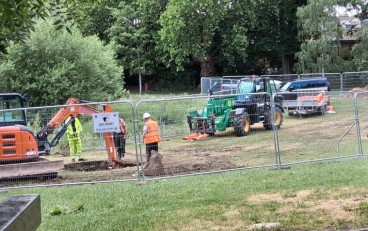
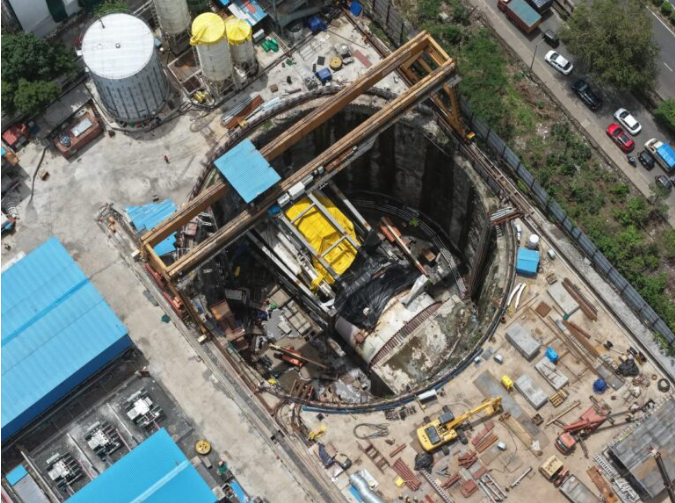
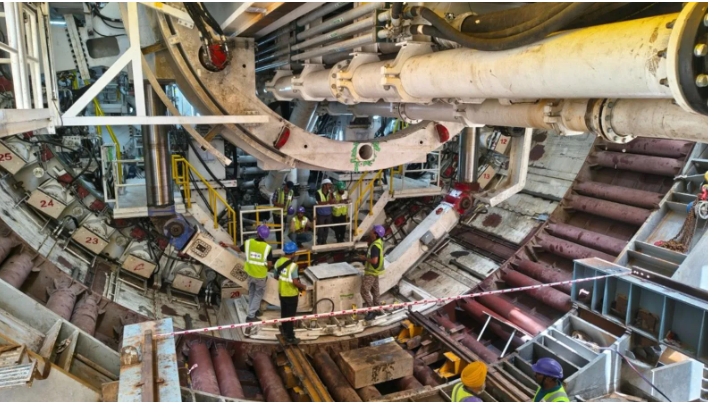
Second giant TBM begins work on India’s first undersea rail tunnel
Sources: tunnellingjournal.com, indianexpress.com, economictimes.indiatimes.com
Want to read more like this story?
India’s largest rail TBM begins tunnelling beneath Mumbai
Jul, 06, 2026 | NewsIndia’s Mumbai-Ahmedabad high-speed rail project has reached a major underground construction milest...

Yangtze River high-speed rail tunnel completed after record underwater TBM drive
Apr, 07, 2026 | NewsChina has reached a major tunnelling milestone with the completion of the underwater section of the...

HS2 launches final giant TBM “Karen” for Euston Tunnel as High-Speed Rail enters final boring phase
Mar, 16, 2026 | NewsHS2 has reached a major tunnelling milestone with the launch of its final tunnel boring machine (TB...
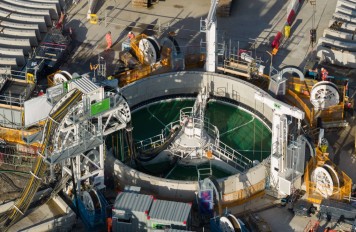
Advanced mixshield TBM tackles chalk and flint beneath the Thames
May, 13, 2026 | NewsConstruction has begun on a major sub-river power tunnel beneath the River Thames as part of Nationa...

China’s TBM rescue beneath the Yangtze
Jan, 12, 2026 | NewsDuring construction of the Jiangyin–Jingjiang Yangtze River Tunnel, a 6.4 km road tunnel beneath th...

Underground works begin on major Madrid Metro extension
Mar, 29, 2026 | NewsTunnelling works have commenced for the extension of Metro Line 11 in Madrid, marking a key milesto...
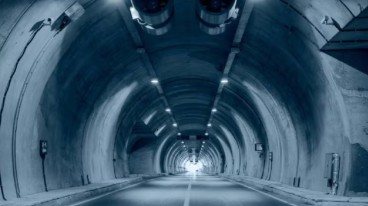
India first underwater road and rail tunnel under Brahmaputra
Jun, 15, 2026 | NewsIndia has approved the construction of its first underwater road-cum-rail tunnel beneath the Brahmap...

16,000 m continuous TBM drive sets new overseas tunnelling record in Sri Lanka
Dec, 25, 2025 | NewsOn 25 December 2025, a double-shield tunnel boring machine developed by China Railway Construction...
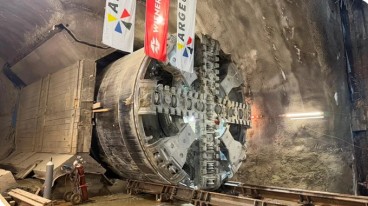
Debohra completes both tunnel tubes beneath Vienna highlighting low-disruption urban tunnelling
Jul, 11, 2026 | NewsTunnel boring has been completed on both tracks of Vienna’s U2 metro extension, marking a major mile...
On This Day
August 21st 1883
READ MORE
Related Video

Trending
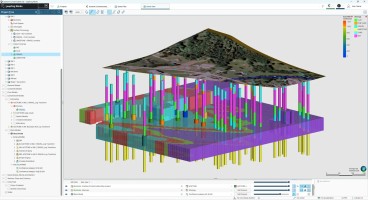
Brownfield success: Engineering excellence starts below ground

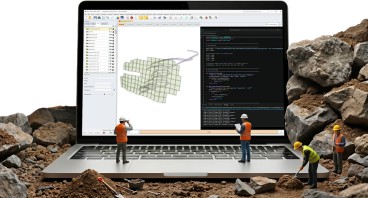
Scripting Comes to RS3: Automate, Customize, and Accelerate Your 3D Modelling

2D and 3D Analysis of Retaining Systems

Mine waste dam failure in Myanmar caught on video