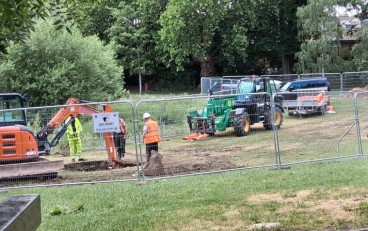
GeoTechTools: Online Interactive Geotechnology Selection System
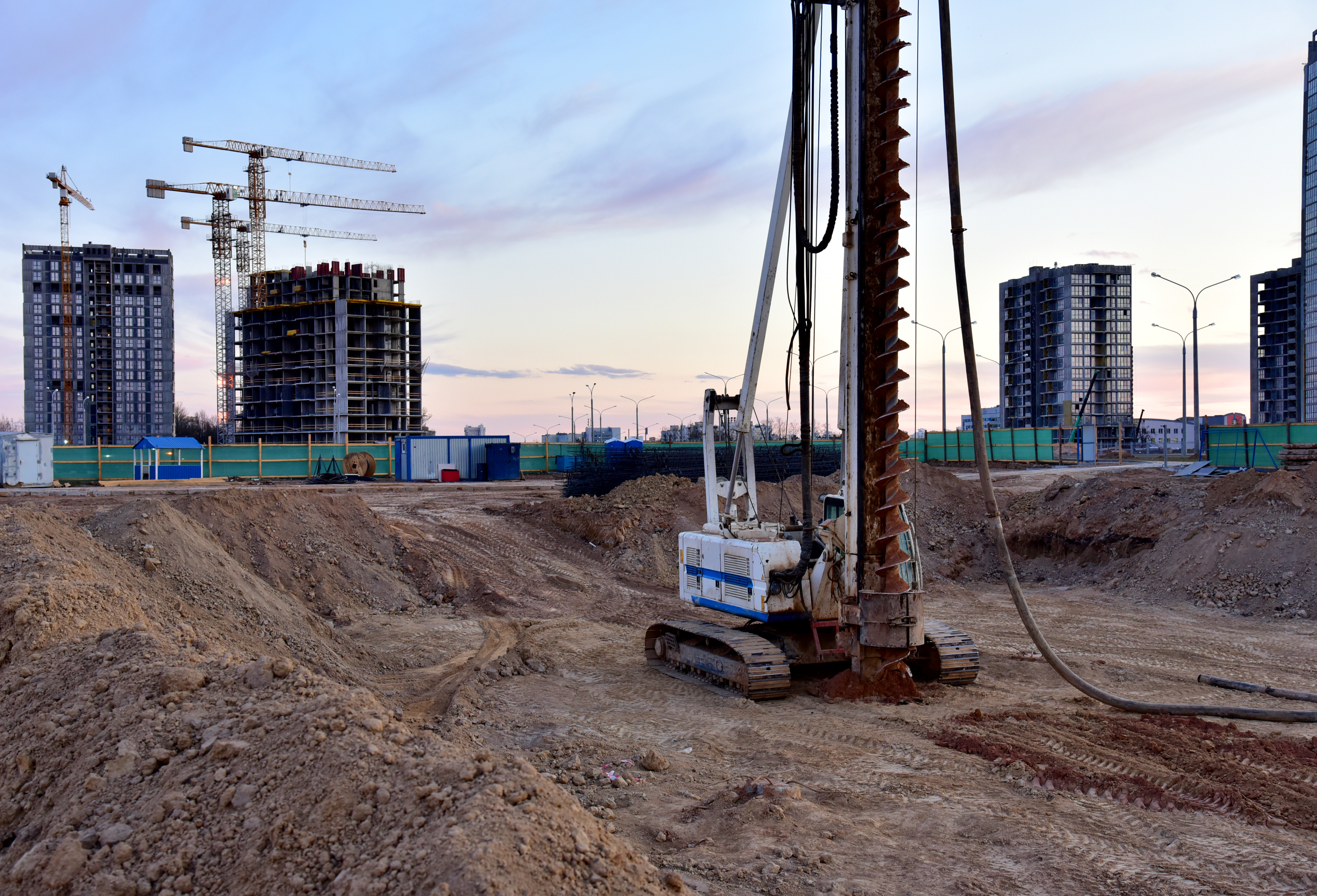
GeoTechTools is a comprehensive online interactive geotechnology selection system used by practicing engineers, educators, regulators, and students. The selection of an appropriate geoconstruction technology to use in transportation systems is a complex undertaking that depends upon the integration of available knowledge and a number of problem-specific and site-specific factors. This web-based information and guidance system, GeoTechTools, was developed to access critical information on geoconstruction technologies and to provide a tool to assist in deciding which technologies are potentially applicable to site-specific conditions. The system is based on three project elements: (1) construction of new embankments and roadways over unstable soils, (2) widening and expansion of existing roadways and embankments, and (3) stabilization of the working platform. The system contains a technology catalog and a technology selection assistance tool, as well as sections on geotechnical design philosophy and a geotechnical glossary.
Eight end-user resources are available for each of the geoconstruction technologies in the catalog. The end-user resources include Technology Fact Sheets, Photographs, Case Histories, Design Procedures, Quality Control/Quality Assurance Procedures, Cost Estimating Tools, Specification Guidance, and a Bibliography. The primary value of this web-based information and guidance system is that it collects, synthesizes, integrates, and organizes a vast amount of important information about geotechnical solutions in a system that makes the information readily accessible to State Transportation Agencies, engineering professionals, academics, and students.
GeoTechTools library encompasses 49 technologies. GeoTechTools interactive technology selection assistance provides four choice options:
- Construction over Unstable Soils focuses on methods to support embankment and embankment widening on the foundation, i.e., typically below-grade technologies. Methods include ground improvement and support over unstable soils.

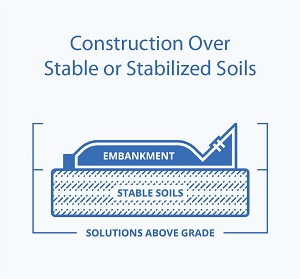
- Construction over Stable or Stabilized Soils focuses on embankment and/or widening construction methods, i.e., above-grade technologies. Methods include fill placement and compaction procedures, embankment width/volume reduction, fill earth retention systems, and slope stabilization systems.
- Working Platforms focuses on methods to provide working platforms. Methods include fill placement, stabilization, and reinforcement technologies. Recycling/reuse of materials in the pavement section is also included. Working platforms also apply to Construction over Unstable Soils and Geotechnical Pavement Components. Geotechnical Pavement Components focuses on methods to improve pavement construction. Methods include fill placement, stabilization, grouting, and reinforcement technologies.

The sustainability in Geotechnical Engineering module was implemented in 2022 with the premise that Geotechnical Engineers contribute to a wide range of critical infrastructure sectors, including the government and commercial facilities sector, the dams’ sector, the energy sector, defense sector, water and wastewater systems sector, and the transportation sector. As a result, the geotechnical profession needs to adapt to these sectors' changing demands. The demand for sustainable development has been increasing in these sectors, and geotechnical engineers are well-positioned to contribute to this demand. In addition, legislation is poised to become a large driver of sustainability in the coming years. Hence, geotechnical engineers must have a basic understanding of sustainability and what sustainability means from a geotechnical engineering perspective.
This module presents several key terms and definitions, along with a geotechnical perspective of sustainability. The module lists various sustainability frameworks and tools applicable to geotechnical engineering. It also includes examples of using some tools on geotechnical engineering projects. The module is not intended to be an exhaustive compilation of sustainability aspects applicable to geotechnical engineering. The goal is to be a technical reference for geotechnical engineers to help them understand sustainability and make them aware of the potential for geotechnical contributions to sustainable development.
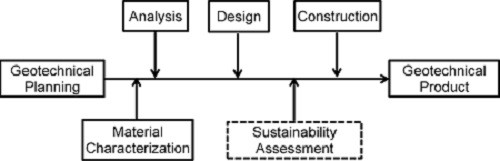
Overall, sustainability should be a holistic approach balancing the environmental, social, and economic aspects that account for the present and the future. However, geotechnical engineers should know that sustainability priorities and impacts vary by stakeholder, geological site conditions, and geography. Consequently, to be most effective, geotechnical engineers must work with their stakeholders to achieve a sustainably beneficial end product that meets everyone’s needs.
GeoTechTools considers comments on any of the technologies and the interactive technology selection assistance. Comments are always welcome and submitted from the GeoTechTools homepage. Finally, GeoTechTools seeks additional geoconstruction case history summaries to continue to populate the geotechnical solutions. Case histories authored/submitted by the Department of Transportation (DOT) and other transportation agency personnel or from geoconstruction companies are acceptable. Case history summaries are submitted in the format, and templates are available on the website. All case histories are limited to a maximum of 2 pages. Case history summaries will be approved for inclusion in GeoTechTools by the appropriate G-I technical committee.
This article is from 2025 Special USA and Canada Geotechnical Business Directory edition, available as an e-book and in-print, and will be distributed for free during the Geotechnical Frontiers 2025 through ARGO-E GROUP’s booth.

Want to read more like this story?
Other Geotechnical
Jun, 04, 2019 | Education

Geotechnical Engineering 2032 Boom: Trends, Challenges, and Emerging Opportunities
Mar, 03, 2025 | NewsGeotechnical engineering is at the core of modern infrastructure, ensuring the stability of buildin...
Geotechnical Earthquake Engineering
Apr, 21, 2020 | Education

What is Geotechnical Engineering?
Jun, 25, 2020 | EducationGeotechnical Engineering has been - throughout the years - an often overlooked but nonetheless inte...

ASCE Sponsored Webinar: Advancing sustainability in geotechnical engineering and construction
Aug, 19, 2022 | EventSeptember 6, 2022 - 2:00 p.m. EDT Although the use of the term “sustainability” is becoming more wi...
Maptek I-Site Studio - Geotechnical Module
Jun, 15, 2023 | Software
Keller Webinar Series: Advancing Sustainability in Geotechnical Engineering and Construction
Mar, 03, 2022 | EventAlthough the use of the term “sustainability” is becoming more widespread, it can be difficult to k...

Jean Louis Briaud's new book has just been released!
Dec, 17, 2013 | NewsProfessor Jean Louis Briaud has completed a major textbook entitled “geotechnical engineering: unsat...

Simplifying Complexity: Key Innovations in the Updated Eurocode 7
Dec, 09, 2024 | NewsThe evolution of construction standards in Europe has reached a pivotal moment with the introductio...
On This Day
August 9th 2021
READ MORE
Related Video

Trending

Scripting Comes to RS3: Automate, Customize, and Accelerate Your 3D Modelling

2D and 3D Analysis of Retaining Systems

Mine waste dam failure in Myanmar caught on video

Chesapeake Bay Bridge-Tunnel: An ‘engineering wonder’ of the modern world
Deadly mining landslide in Central African Republic raises safety concerns