France discovers massive deposit of natural hydrogen. Source: Caliber
In a region once synonymous with coal, iron, and steel, scientists have stumbled upon a different kind of underground wealth. While drilling for methane in 2023, researchers from the GeoRessources laboratory and the National Centre for Scientific Research (CNRS) uncovered a monumental 46-million-ton deposit of naturally occurring hydrogen—referred to as “white hydrogen.” This reservoir, located at depths ranging from 1,093 to over 3,000 meters in Lorraine’s mining basin, could become one of the most significant clean energy discoveries of the century.
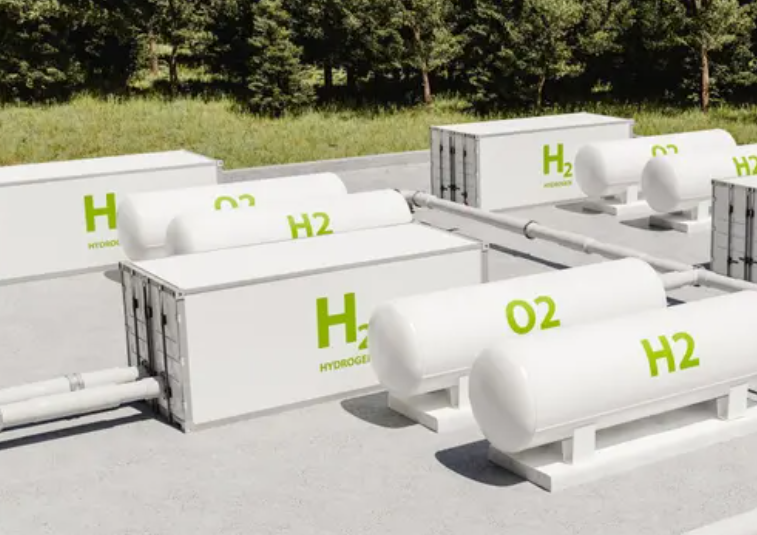
With an estimated market value of $92 billion, the find in Folschviller is more than a scientific milestone—it may reshape global energy strategies. White hydrogen forms naturally through geological processes such as serpentinization and radiolysis and, crucially, requires no industrial processing to extract. Unlike gray hydrogen (which emits CO₂) and green hydrogen (which demands significant energy input), white hydrogen offers a carbon-free, ready-made solution to the world’s clean energy challenge.
World’s Largest Hydrogen Deposit, Worth a Staggering $92 Trillion. Source: Daily Galaxy
Why White Hydrogen Is a Game-Changer
For years, hydrogen’s potential as a green energy source has been hampered by trade-offs: green hydrogen is expensive to produce via electrolysis using renewable energy, while gray hydrogen relies on fossil fuels. White hydrogen changes the equation entirely.
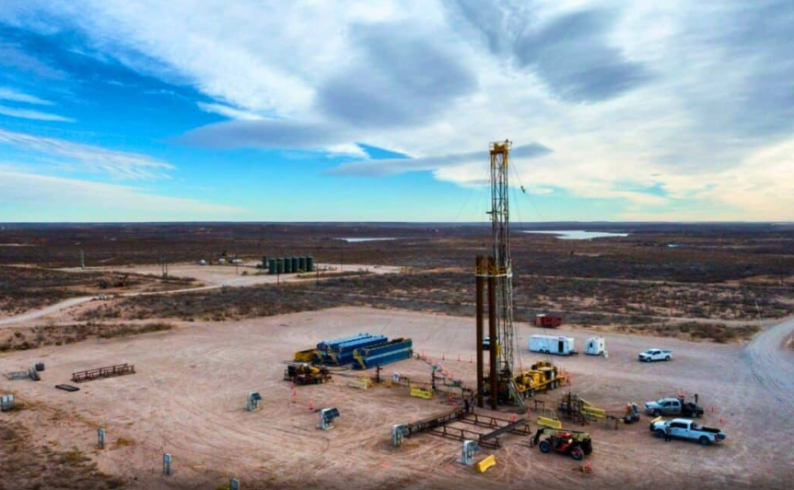
The Folschviller deposit alone has the potential to cover more than half of the world’s annual gray hydrogen production, without the carbon footprint. With purity levels reaching up to 98% at deeper layers, the gas can be directly harvested, cutting out the need for complex manufacturing infrastructure. Extraction methods—borrowing technology from the oil and gas sectors—make the transition feasible and relatively fast. Rotary drilling rigs, reservoir sensors, and gas separation units already exist; it's just a matter of adapting them for hydrogen.
From a geotechnical perspective, the Lorraine basin presents the ideal conditions: ancient rock formations, fault lines, and a deep aquifer system—all factors conducive to natural hydrogen accumulation. The find not only confirms long-standing geological theories but also sparks new interest in similar deposits worldwide. Following France's lead, countries like Mali, Australia, Albania, and the U.S. are now ramping up exploratory efforts.
Reshaping Energy—and Economies
Beyond the scientific and environmental implications, the Lorraine hydrogen reserve could breathe new economic life into a region left behind by heavy industry. Once a coal and steel hub employing over 200,000 people, Lorraine faced economic hardship after mines closed in the late 20th century. Now, the hydrogen boom could create thousands of new jobs in drilling, engineering, energy infrastructure, and hydrogen transport logistics.
The discovery could also accelerate France’s ambition to become a European leader in hydrogen technology. With growing global demand for clean, flexible energy sources—particularly in steelmaking, heavy transport, and energy storage—France finds itself uniquely positioned to export hydrogen expertise and possibly the fuel itself.
This momentum comes at a critical time. Climate targets are becoming more aggressive, and industries are being pushed to decarbonize. White hydrogen could be the missing link—a scalable, cost-effective bridge between today’s energy systems and a truly green future. In particular, it offers strategic value as an energy buffer, capable of storing excess electricity from solar or wind power and releasing it during peak demand.
However, experts like Dr. Jacques Pironon of GeoRessources caution that while the discovery is promising, careful extraction planning and sustainability measures are essential. Over-extraction, hydrogen leaks, and insufficient monitoring infrastructure could present real challenges. As with any geological resource, the key will be balancing short-term gains with long-term viability.
Concluding Remarks
The hydrogen reservoir beneath Folschviller is more than a scientific wonder—it’s a glimpse into the future of clean energy. With the right investment, regulation, and research, Lorraine could become the heart of Europe’s hydrogen economy, turning a forgotten mining town into a symbol of resilience and innovation. What was once a coal pit may soon power electric vehicles, clean industries, and entire cities—without burning a single drop of fossil fuel.
Check out the following video discussing the benefits of hydrogen utilisation and it's colosseum deposit discovery in Folschviller.
Geoengineer.org uses third party cookies to improve our website and your experience when using it. To find out more about the cookies we use and how to delete them visit our Cookies page. Allow cookies