Calaveras dam in San Francisco Bay Area is finally finished
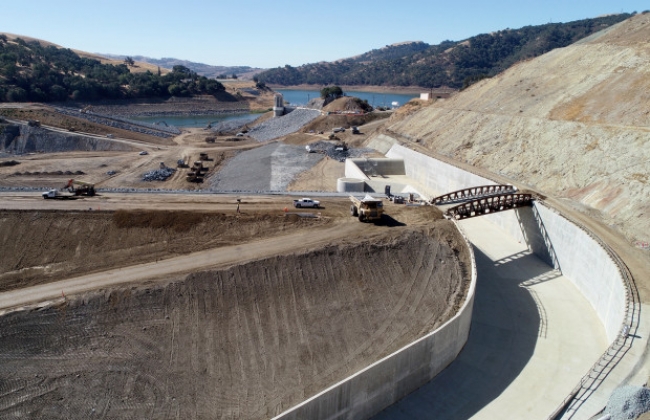
Calaveras Dam, the larger dam built in Bay Area in 20 years, is finally completed.
The 220-foot tall dam is located in the area east of Interstate 680 on the Alameda-Santa Clara County. Being the tallest structure built in the Bay since 1998, it is a significant part of the Hetch Hetchy water system, which provides drinking water to 2.7 million people in Alameda, Santa Clara, San Mateo and San Francisco counties. It was constructed to replace an older dam (built in 1925) which was at the risk of collapse in a major earthquake on the Calaveras fault, according to inspections in 2001. If the old dam collapsed, huge floods would strike Fremont and neighboring communities, threatening hundreds of lives. The new structure will be able to withstand a Mw 7,25 earthquake, according to experts.
The construction of the dam was a difficult achievement. In the beginning, workers found 2 ancient landslides in the location and were forced to carve away tons of debris to anchor the dam in a more solid basis. Moreover, hillsides had to be supported more than expected and a flood in winter of 2016-2017 delayed the construction work by 3 months. The project was supposed to cost $409 million and be completed in 2015 according to a 2009 report. However, the actual cost reached $823 million, more than twice its initial expectation. Some parts including paving of nearby roads and installing electrical equipment and sensors in the dam will be finished in 2019 thus the final delay of the project will exceed 3 years.
Engineering experts state that the delays were unfortunate but also inevitable. "They didn't do anything wrong. It's like home remodeling. When you buy an old home, the walls all look sound. But when you go to replace the windows, you realize you have dry rot. But you still have to fix it," said Nicole Sandkulla, a civil engineer and CEO of the Bay Area Water Supply and Conservation Agency.
Inspectors ordered Calaveras reservoir to not exceed 40% of its capacity in order to minimize earthquake risks. The reservoir is now 25% full. Dan Wade, director of water capital projects for the San Francisco Public Utilities Commission said: "If we have a wet winter, it can fill in one year. But it could take four years. Or if we're in a drought, it could take longer."
Some people wondered why San Francisco didn't enlarge Calaveras reservoir, since the dam was replaced. Mr. Sandkulla stated that officials were worried about lawsuits and the difficulties of getting permission to accomplish a larger reservoir. In any case, Wade ensures that in a future case of exceeding needs, the dam has the potential to be raised 150 feet more, quadrupling reservoir's size.
Source: Mercurynews.com
Media
- Calaveras Dam, the largest dam built in Bay Area in 20 years, is completed
Want to read more like this story?
California reservoir needs to be drained due to risk of failure
Mar, 04, 2020 | NewsCalifornia officials decided to drain a reservoir as its dam could fail under a strong seismic even...

Dam Engineering
Apr, 10, 2020 | EducationA dam is an infrastructure system that consists of several structures with the intent to collect,...
History of the Hoover Dam
Jun, 30, 2020 | NewsIntroduction Hoover Dam is the tallest arch dam constructed in the United States and forms one of...
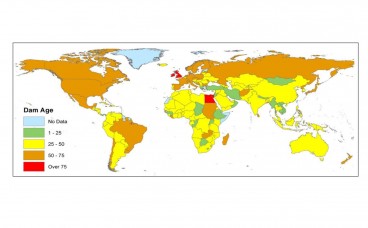
Aging dam infrastructure: A severe future threat
Jan, 22, 2021 | NewsAccording to a new report, issued by the United Nations University, aging water storage facilities...

Dam Safety Association Presents Annual Awards
Nov, 27, 2006 | NewsAt each annual conference, the Association of State Dam Safety Officials recognizes individuals who...

Dam Safety Association Presents 2007 Annual Award Winners
Nov, 28, 2007 | NewsProfiles of 2007 Association of State Dam Safety Officials award winners: National Rehabilitation...

Michigan dam failures raise concerns about United States deteriorating infrastructure
May, 19, 2020 | NewsOn May 19, 2020, two dams in Michigan breached causing extensive flooding and infrastructure damage...
May 31st is National Dam Safety Awareness Day in America
May, 31, 2016 | NewsOn the May 31st we commemorate the significant role dams play in American life. From providing nearl...

Satellite data indicate over 2,500 U.S. dams are in poor condition
Dec, 21, 2025 | NewsDams across the United States are aging and underfunded, with geoscientists reporting that over 2,5...
On This Day
August 7th 2010
READ MORE
Related Video

Trending

Quick Clay Failure on Norway’s E6 at Levanger

Keller North America announces recent leadership changes


Fulgurite: A rare phenomenon
Asbestos remains a deadly infrastructure risk across the UK
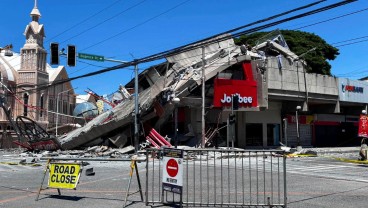
Major earthquake in southern Philippines causes deaths and widespread damage