
1939 Erzincan earthquake
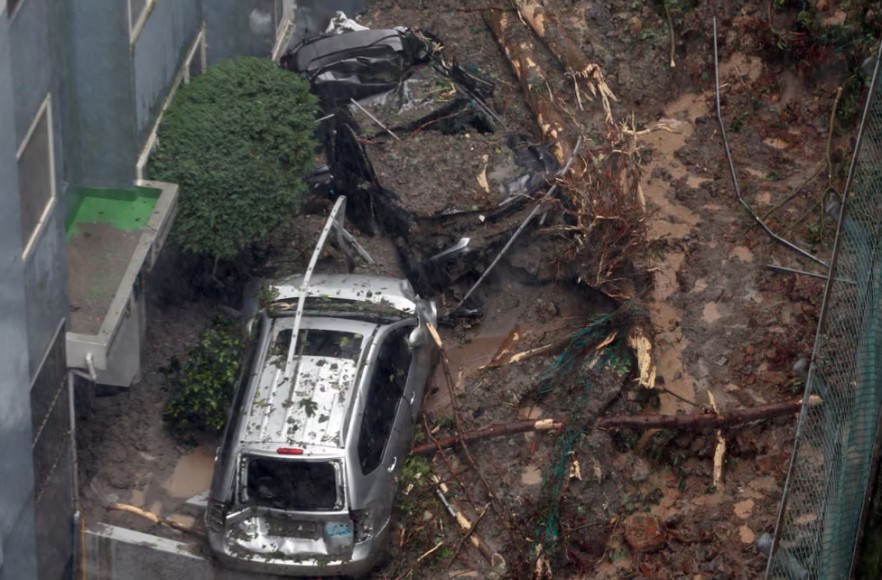
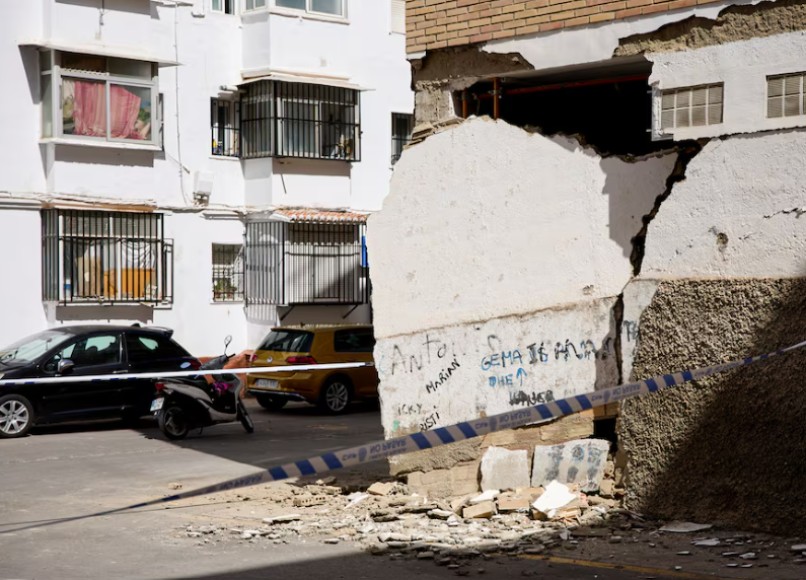
An earthquake struck Turkey's eastern Erzincan Province at 1:57:23 a.m. on 27 December 1939 local time with a moment magnitude of 7.8 Mw and a maximum Mercalli intensity of XII (Extreme). It is the joint second most-powerful earthquake recorded in Turkey, tied with the 2023 Turkey-Syria earthquake. Only the 1668 North Anatolia earthquake was more powerful. This was one of the largest in a sequence of violent shocks to affect Turkey along the North Anatolian Fault between 1939 and 1999. Surface rupturing, with a horizontal displacement of up to 3.7 meters, occurred in a 360 km long segment of the North Anatolian Fault Zone. The earthquake was the most severe natural loss of life in Turkey in the 20th century, with 32,968 dead,[6] and some 100,000 injured.
Alexandre Gustave Eiffel died
Alexandre Gustave Eiffel was a French civil engineer. A graduate of École Centrale des Arts et Manufactures, he made his name with various bridges for the French railway network, most famously the Garabit Viaduct. He is best known for the world-famous Eiffel Tower, designed by his company and built for the 1889 Universal Exposition in Paris, and his contribution to building the Statue of Liberty in New York. After his retirement from engineering, Eiffel focused on research into meteorology and aerodynamics, making significant contributions in both fields.
Lewes avalanche
The Lewes avalanche occurred on 27 December 1836 in Lewes, East Sussex, when a huge build-up of snow on a chalk cliff overlooking the town collapsed into the settlement 100 metres (330 ft) below, destroying a row of cottages and killing eight people. It remains the deadliest avalanche on record in the United Kingdom.
Henri Pitot died
Henri Pitot was a French hydraulic engineer and the inventor of the pitot tube.