
Wilberg Mine disaster
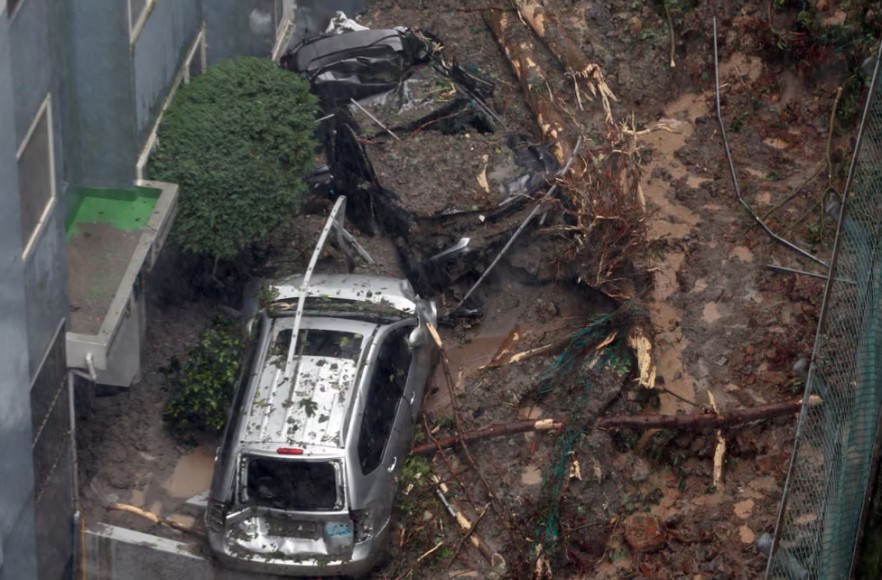
The Wilberg Mine is a coal mine in Emery County, Utah, approximately 12 miles (19 km) northwest of Orangeville, just north of State Route 29, at the northern terminus of State Route 57. It is most notable for the fire on 19 December 1984 which claimed 27 lives: 18 miners and 9 company officials. The disaster was the worst coal mine fire in Utah history. The escape route of the 27 persons was cut off when the fire quickly engulfed the intake of the 5th Right longwall. The fire was caused by a faulty air compressor, which was allowed to run unattended in an area that was not fire-proofed.
1977 Bob-Tangol earthquake
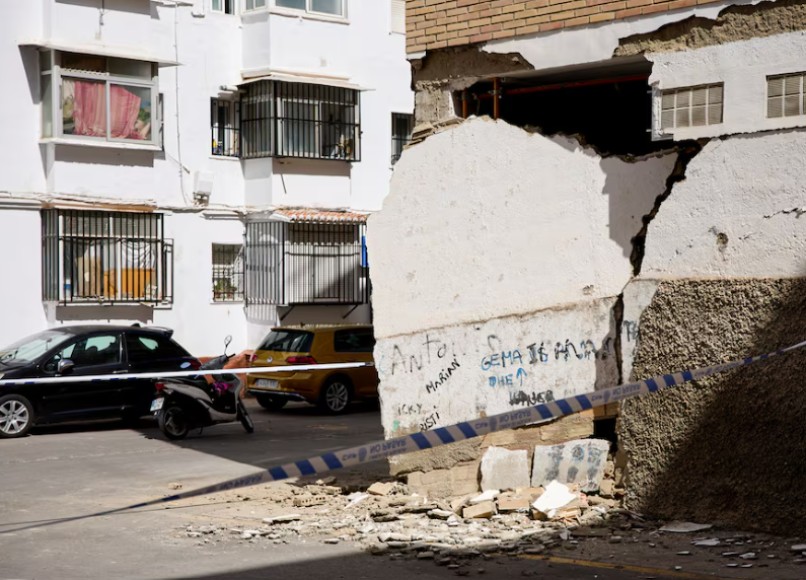
The 1977 Bob-Tangol earthquake destroyed homes and left thousands homeless in the Kerman province of Iran. A maximum Modified Mercalli intensity of VII (Very strong) was evaluated based on damage. Between 584 and 665 people perished while a further 500-1,000 were injured. Casualties from the earthquake was considered moderate due to the sparsely populated area it affected. The earthquake measured Mw 5.9 and struck at a depth of 22.7 km (14.1 mi). It had a strike-slip focal mechanism, which was unusual as the source structure was a thrust fault. It was part of a sequence of strong earthquakes along the 400 km (250 mi) Kuh Banan Fault.
Darr Mine disaster
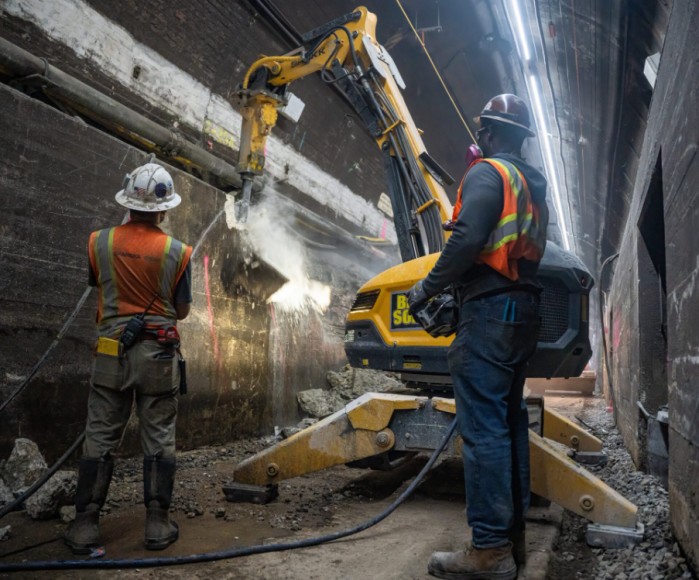
The Darr Mine disaster at Van Meter, Rostraver Township, Westmoreland County, Pennsylvania, near Smithton, killed 239 men and boys on December 19, 1907. It ranks as the worst coal mining disaster in Pennsylvanian history. Many victims were of immigrants from central Europe, including Rusyns, Hungarians (including Slovaks from Gemer and Abov - then part of Austria-Hungary), Austrians, Germans, Poles and Italians. An inquiry carried out after the disaster determined that the blast was the result of miners carrying open lamps in an area cordoned off the previous day by the fire boss.
George S. Morison was born
George Shattuck Morison as an American attorney best known as a designer of bridges. He was trained to be a lawyer but instead became a civil engineer and leading bridge designer in North America in the late 19th century. During his lifetime, bridge design evolved from using 'empirical rules of thumb" to the use of mathematical analysis techniques'. Some of Morison's projects included several large Missouri River bridges as well as the great cantilever railroad bridge at Memphis, Tennessee, and the Boone, Iowa viaduct. Morison served as president of the American Society of Civil Engineers (1895) as well as a member of the British Institute of Civil Engineers winning that institution's Telford Medal in 1892 for his work on the Memphis bridge. In 1899