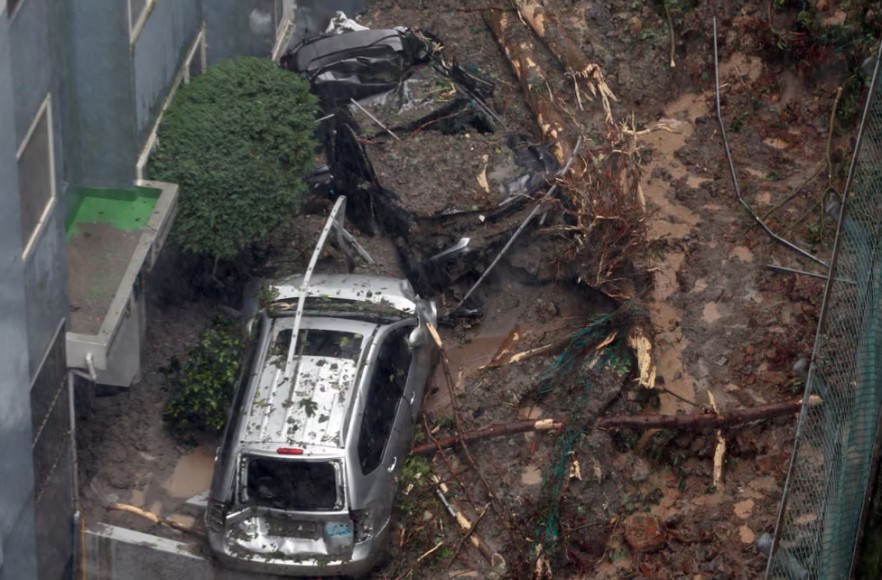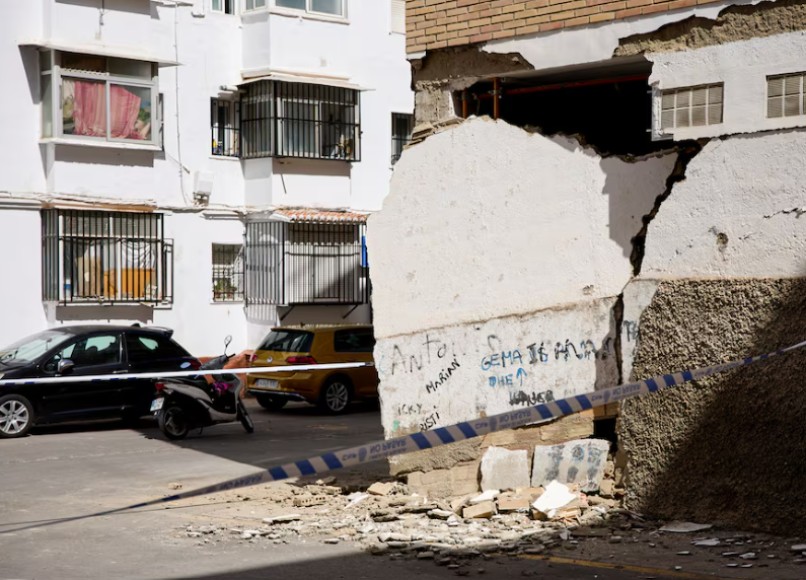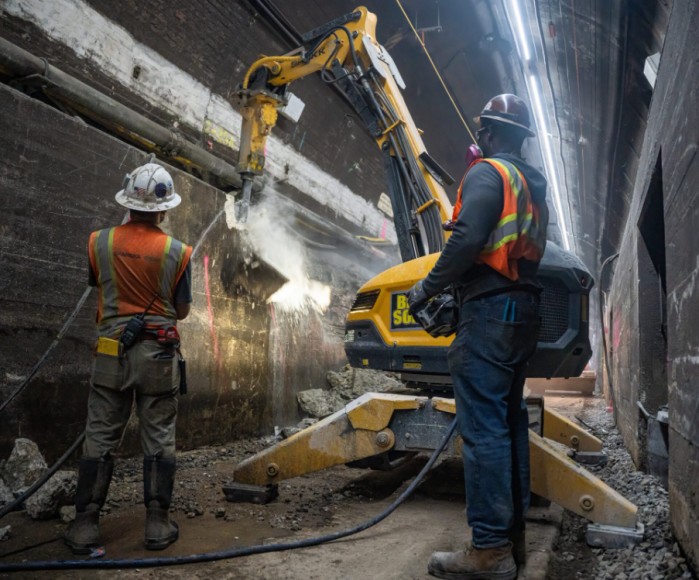

Whakaari / White Island erupted
Whakaari / White Island, also known as White Island or Whakaari, is an active andesite stratovolcano situated 48 km (30 mi) from the east coast of the North Island of New Zealand, in the Bay of Plenty. The island covers an area of approximately 325 ha (800 acres), which is just the peak of a much larger submarine volcano. A large eruption occurred at 14:11 on 9 December 2019, which resulted in 22 fatalities, including two people who were missing and ruled to be dead by a coroner. Twenty-five survivors were injured, many critically and with severe burns. Forty-seven people were reportedly on the island when it erupted. A second eruption closely followed the first.
Lyon Metro opened
The Lyon Metro is a rapid transit system serving Lyon Metropolis, France. First opened in 1974, it currently consists of four lines, serving 40 stations and comprising 32.0 kilometres (19.9 mi) of route. Part of the Transports en Commun Lyonnais (TCL) system of public transport, it is supported by two funiculars and a tramway network. Unlike other French metro systems, but like RER and other SNCF services, Lyon Metro trains run on the left. This is the result of an unrealised project to run the metro into the suburbs on existing railway lines. The loading gauge for all lines is 2.90 m (9 ft 6.2 in), more generous than the average for metros in Europe. The Lyon Metro has rubber-wheel cars. Daily weekday ridership was 740,000 in 2011.
Alfred P. Boller died
Alfred Pancoast Boller was a civil engineer and bridge designer. He was the chief engineer on several bridge building projects during the late 1800 and early 1900s. Boller designed the third Market Street Bridge in Williamsport, Pennsylvania, several swing bridges over the Harlem River in New York City and the Connecticut River Bridge in Connecticut. He was also the chief engineer of Manhattan's elevated railroads.
Cross Mountain Mine disaster
The Cross Mountain Mine disaster was a coal mine explosion that occurred on December 9, 1911, near the community of Briceville, Tennessee, in the southeastern United States. In spite of a well-organized rescue effort led by the newly created Bureau of Mines, 84 miners died in the disaster. The cause of the explosion was the ignition of dust and methane gas released by a roof fall. Miners would use open oil lamps to provide a light source down in the mines.