
2011 Van earthquakes
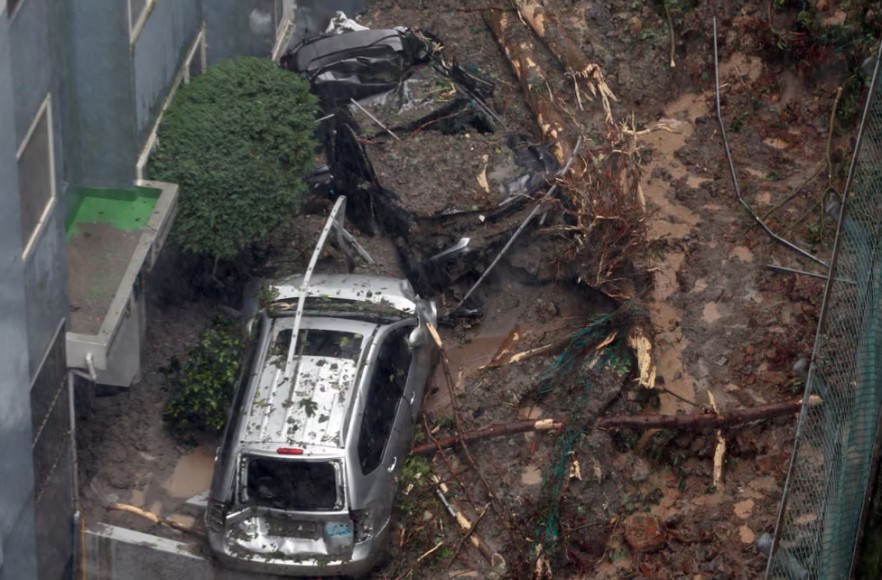
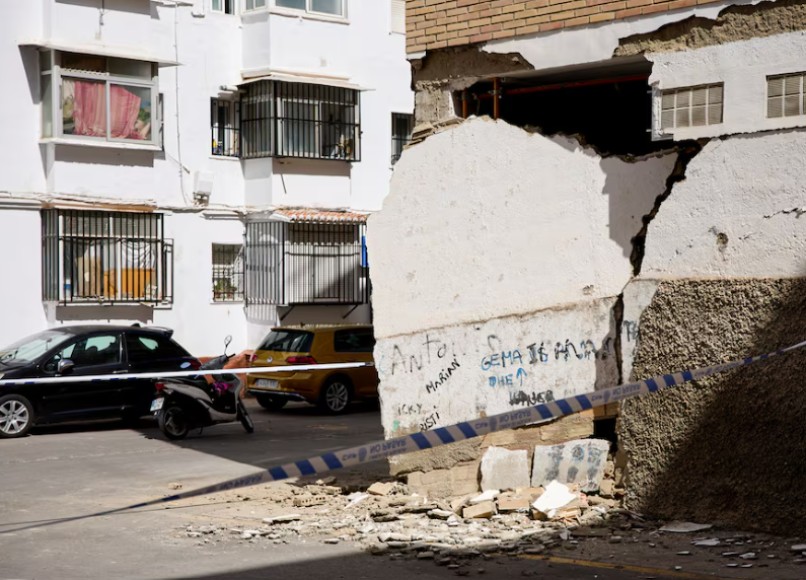
The 2011 Van earthquakes occurred in eastern Turkey near the city of Van. The first earthquake happened on 23 October at 13:41 local time. The shock had a Mww magnitude of 7.1 and a maximum Mercalli intensity of VIII (Severe). According to Disaster and Emergency Management Presidency on 30 October, the earthquake killed 604 and injured 4,152. At least 11,232 buildings sustained damage in the region, 6,017 of which were found to be uninhabitable. The uninhabitable homes left as much as 8,321 households with an average household population of around 7.6 homeless in the province; this could mean that at least around 60,000 people were left homeless. The other 5,215 have been damaged but are habitable.
2004 Chuetsu earthquake
The 2004 Chuetsu earthquake occurred in Niigata Prefecture, Japan. The Japan Meteorological Agency (JMA) named it the "Heisei 16 Niigata Prefecture Chuetsu Earthquake". Niigata Prefecture is located in the Hokuriku region of Honshu, the largest island of Japan. The initial earthquake had a magnitude of 6.6 and caused noticeable shaking across almost half of Honshu, including parts of the Tohoku, Hokuriku, Chubu, and Kanto regions.
George F. Sowers died
George F. Sowers was an American Civil Engineer and Regents Professor at the Georgia Institute of Technology. He also worked as a consultant for Law Engineering while maintaining his position as a professor.
Springhill mining disaster
The 1958 bump killed 75 miners on October 23, 1958, out of 174 working at the No. 2 colliery. The accident was the most severe "bump" (underground seismic event) in North American mining history and injured Springhill residents and devastated the town's economy. Springhill's No. 2 colliery was one of the deepest coal mines in the world. Sloping shafts 14,200 feet (4,300 m) in length led to a vast labyrinth of galleries more than 4,000 feet (1,200 m) below the surface. Mining techniques there had been changed 20 years before the 1958 bump, from "room and pillar" to "long wall retreating" after reports had shown the increased danger of "bump" phenomena resulting from the former technique.