
2013 Dar es Salaam building collapse
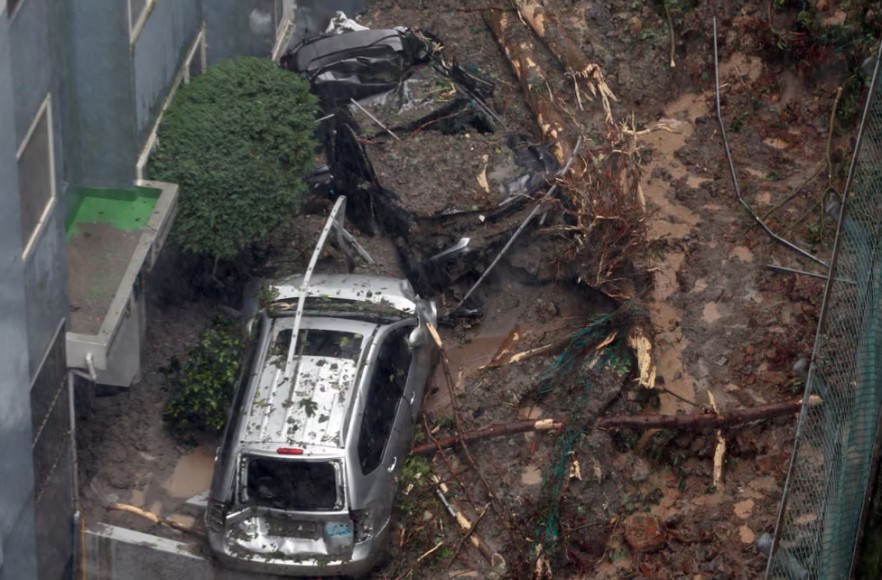
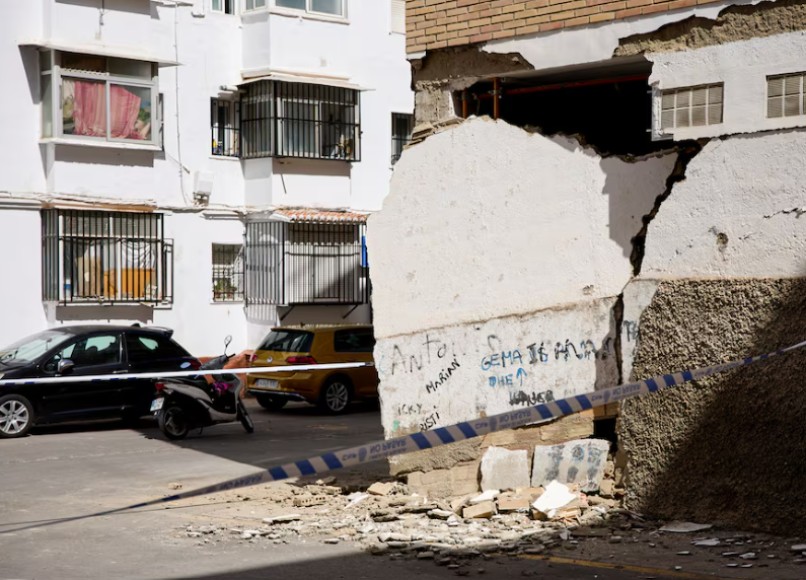
The Dar es Salaam building collapse occurred during the early hours of Good Friday on 29 March 2013 when a 16-floor residential apartment building collapsed on a nearby mosque compound, killing 36 people and trapping over 60 under the rubble. Poor building design was the suspected cause for the collapse, Kheri Kessy, the Deputy Mayor of Ilala said in 2007, as the approved plan was for a 10 floor apartment building project.
Almas Tower construction started
Almas Tower is a 68-storey, 360 m (1,180 ft), supertall skyscraper in the Jumeirah Lakes Towers, Dubai, United Arab Emirates. Construction of the office building began in early 2005 and was completed in 2008 with the installation of some remaining cladding panels at the top of the tower. The building was topped out in 2008, and became the tallest building in Dubai until 2009 when it was surpassed by Burj Khalifa.
1999 Chamoli earthquake
The 1999 Chamoli earthquake occurred on 29 March in the Chamoli district in the Indian state of Uttar Pradesh (now in Uttarakhand). Approximately 103 people died in the earthquake. Several hundred people were injured and approximately 50,000 houses were damaged. Over 2,000 villages were affected by the earthquake.
Vasco da Gama Bridge opened
The Vasco da Gama Bridge is a cable-stayed bridge flanked by viaducts that spans the Tagus River in Parque das Nações in Lisbon, the capital of Portugal. It once again became the longest bridge in Europe, taking the spot of the Crimean Bridge, and the longest one in the European Union. As of August 12th, 2023, it is the longest intact bridge in Europe, following missile strikes against the Crimean Bridge. It was built to alleviate the congestion on Lisbon's 25 de Abril Bridge, and eliminate the need for traffic between the country's northern and southern regions to pass through the capital city.
Royal Albert Hall inaugurated
The Royal Albert Hall is a concert hall on the northern edge of South Kensington, London. One of the UK's most treasured and distinctive buildings, it is held in trust for the nation and managed by a registered charity which receives no government funding. It has a seating capacity of 5,272 people.
National Road authorized
The National Road (also known as the Cumberland Road) was the first major improved highway in the United States built by the federal government. Built between 1811 and 1837, the 620-mile (1,000 km) road connected the Potomac and Ohio Rivers and was a main transport path to the West for thousands of settlers. Construction of the Cumberland Road (which later became part of the longer National Road) was authorized on March 29, 1806, by Congress.