
Mt. Huascaran Avalanche
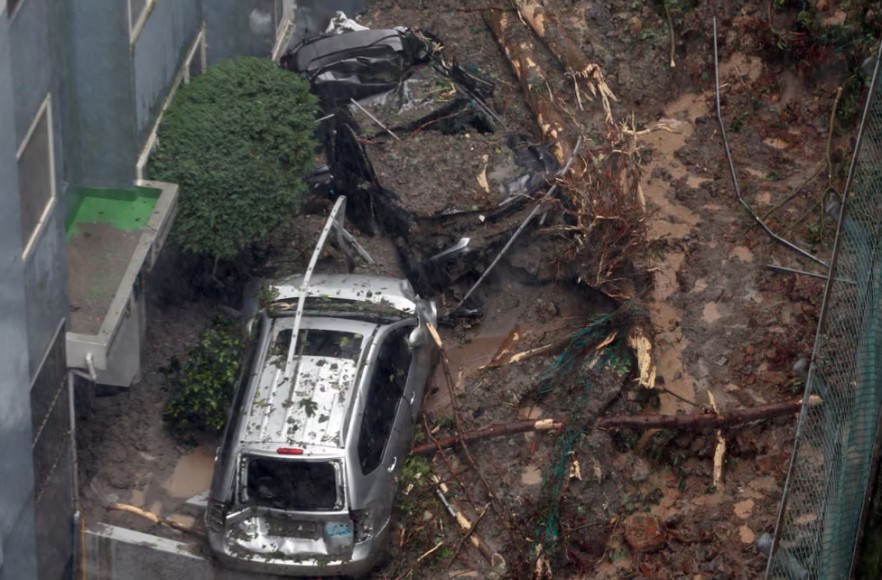
Ranrahirca was a village in Peru, alongside the river Santa, near Huascarán, the highest mountain in Peru. It was hit by massive avalanches of snow, rocks and mud, originating on the slopes of Huascarán and triggered by earthquakes on 10 January 1962 and on 31 May 1970. Over two thousand people from the village perished in the 1962 avalanche, along with the inhabitants of seven nearby settlements. In total about 3,500 died in the disaster.
Spindletop struck oil
Spindletop is an oil field located in the southern portion of Beaumont, Texas, in the United States. The Spindletop dome was derived from the Louann Salt evaporite layer of the Jurassic geologic period. On January 10, 1901, a well at Spindletop struck oil ("came in"). The Spindletop gusher blew for 9 days at a rate estimated at 100,000 barrels (16,000 m3) of oil per day. The Spindletop discovery led the United States into the oil age.
Metropolitan Railway opened
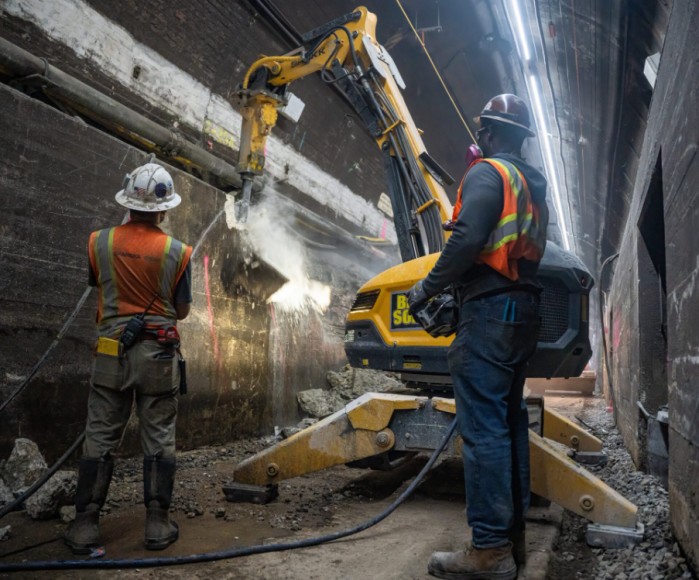
The Metropolitan Railway (also known as the Met) was a passenger and goods railway that served London from 1863 to 1933, its main line heading north-west from the capital's financial heart in the City to what were to become the Middlesex suburbs. Its first line connected the main-line railway termini at Paddington, Euston, and King's Cross to the City. The first section was built beneath the New Road using cut-and-cover between Paddington and King's Cross and in tunnel and cuttings beside Farringdon Road from King's Cross to near Smithfield, near the City. It opened to the public on 10 January 1863 with gas-lit wooden carriages hauled by steam locomotives, the world's first passenger-carrying designated underground railway.
Karl Ritter von Ghega was born
Karl Ritter von Ghega or Karl von Ghega was an Austrian nobleman and the designer of the Semmering Railway from Gloggnitz to Mürzzuschlag. During his time, he was the most prominent of Austrian-Albanian railway engineers and architects. He began his engineering career with road and hydraulic engineering in Venice. Among other things he contributed to the building of the road over Cortina d'Ampezzo to Toblach. From 1836 to 1840 he was a construction supervisor for the railway track from Brno to Breclav, the so-called Emperor Ferdinand North Railway. During this time, in 1836 and 37 he studied also the railways in England and other European countries. In 1842, entrusted with the entire planning of the future state railway, he made a study trip to North America.