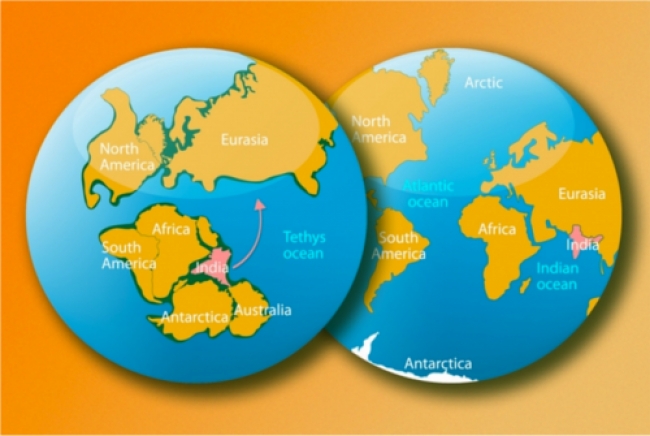
Five weeks after the terrible earthquake in Nepal which literally shook the Himalayas, researchers from the US claim that they have found the missing pieces of the puzzle on the formation of the highest mountain on Earth. As they mentioned, this creation is the result of a rare geological phenomenon.
Sources: eapsweb.mit.edu, usgs.gov
Want to read more like this story?

Moon is making the days on Earth longer
Jun, 18, 2018 | NewsA study shows evidence that as the distance between Earth and the moon increases year by year, the d...

Earth and Moon struck by asteroid shower 800 million years ago
Jul, 21, 2020 | NewsAccording to a new study, a vast meteoroid bombardment struck the Earth and the Moon about 800 mill...

Tunnels & Underground Constructions India
May, 07, 2010 | NewsTunnels & Underground Constructions India. New Delhi, India. 13-16 September, 2010. The agen...
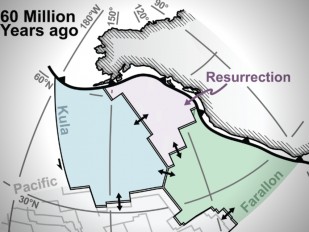
Finding a missing tectonic plate
Oct, 19, 2020 | NewsScientists from the University of Houston have managed to detect signs of a controversial tectonic...

New insights about ancient continent north of Canada
Jan, 07, 2020 | NewsA new study, published in the Journal of Petrology, presents new discoveries about the North Atlant...

''Snowball Earth'' triggered by the advent of plate tectonics?
Jun, 05, 2018 | NewsDuring the Neoproterozoic, a geological era which occurred about 542 million to one billion years ag...
Increased seismic hazard due to Earth's rotation slowdown
Jun, 28, 2018 | NewsScientists from the U.S. believe that a significant increase of earthquakes will occur beginning fro...

Landslide kills at least 64 people in India
Aug, 07, 2020 | NewsA landslide has killed at least 63 people in the state of Kerala, southern India. The ground failur...

Photo gallery: Nepal devastated after the 7.9 quake and powerful aftershocks
Apr, 27, 2015 | NewsWith death toll from Saturday's devastating magnitude 7.8 earthquake reaching 3,000, Nepal is strugg...
On This Day
August 8th 1958
READ MORE
Related Video

Trending

Embankment Collapse on NH-66 in Kooriyad Triggers Engineering and Oversight Review

Fehmarnbelt tunnel advances with first element ready for immersion

Geotechnical Engineering 2032 Boom: Trends, Challenges, and Emerging Opportunities
Emergency protocols activated following offshore 7.7 magnitude earthquake in Japan
Deadly mining landslide in Central African Republic raises safety concerns