
Transforming Waste into High-Value Biomaterials: The ABEL Project

In the Netherlands, a new research consortium is pioneering technologies to convert low-grade organic waste into durable, reusable biomaterials. The initiative, called ABEL (Ab-initio Biowaste Loop), has received €6.7 million from the Dutch Research Agenda (NWA ORC programme) to help reduce waste incineration, cut greenhouse gas emissions, and lessen reliance on fossil-based feedstocks.
Traditionally, organic waste streams have been incinerated or processed into low-value products, resulting in pollution and loss of valuable resources. ABEL seeks to change this by upcycling waste into sustainable products such as fertilizers, asphalt, plastics, composites, noise-reduction systems, and thermal storage materials. These biomaterials are engineered to be reused multiple times and easily recycled at the end of their life cycle, aligning closely with circular economy principles.
Carbon is increasingly recognized as a critical raw material as fossil reserves decline. By developing renewable carbon sources from waste, the project offers new pathways for sectors including agriculture, aviation, construction, and consumer products. For the built environment in particular, biobased alternatives present opportunities to reduce embodied carbon and enhance sustainability in future projects.
The team combines expertise in reactor engineering, catalysis, life cycle assessment, and sustainable material development. This collaborative framework ensures that technological innovations are not only feasible but also socially and environmentally viable. Importantly, the consortium also addresses the economic, social, and policy barriers that often hinder circular practices, aiming to stimulate the Dutch bioeconomy while creating jobs and strengthening resilience.
By uniting research institutions, industry, government, and society, ABEL is building a model for innovation that goes beyond the laboratory. The project demonstrates how waste can become a valuable feedstock, reinforcing sustainability goals and supporting Europe’s broader transition toward a low-carbon future.
Sources: pubs.rsc.org, materialdistrict.com, tudelft.nl
Want to read more like this story?
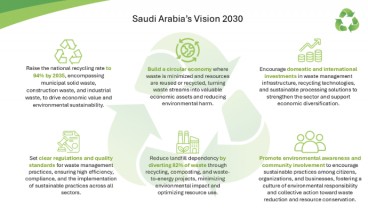
Vision 2030 drives sustainable waste management transformation across Saudi Arabia
Apr, 01, 2026 | NewsSaudi Arabia is advancing its transition toward a circular economy under Vision 2030, with waste ma...

Bentley Systems: Reversing a Culture of Waste Report
Jan, 21, 2016 | NewsGeoengineer.org is excited to present Bentley Systems Report on reversing the culture of waste. The...
Material Reuse
Jun, 05, 2019 | EducationOne of the main targets of worldwide environmental policies is to reduce landfilled waste volumes....

HS2 Team Trials Low-Carbon Clay Alternative to Concrete
Oct, 07, 2024 | NewsThe HS2 project team, working on the London tunnels, has embarked on an innovative journey to reduc...

Environmental Geotechnology, Recycled Waste Materials and Sustainable Engineering
Jan, 29, 2026 | EventEnvironmental Geotechnology, Recycled Waste Materials and Sustainable Engineering (EGRWSE) is an ann...
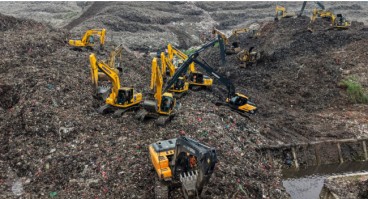
Indonesia’s waste and mining slopes under pressure: Deadly landfill collapse in Bekasi and industrial landslide in Morowali
Mar, 09, 2026 | NewsA major waste landslide at the Bantargebang Integrated Waste Processing Site (TPST) in Bekasi, West...

Mining waste disposal: A challenging issue
Mar, 04, 2019 | NewsThe time for Mining industry to change its approach about waste disposal techniques has arrived....

Large waste landslide struck in Colombia's landfill
Apr, 28, 2020 | NewsA large waste landslide struck in a landfill located outside of Bogota, the capital city of Colombi...

Sweden’s 100,000-Year Plan for Safe Nuclear Waste Disposal
Mar, 19, 2025 | NewsSweden is leading the way in nuclear waste management, with two major projects that will shape the...
On This Day
August 10th 1954
READ MORE
Related Video

Trending
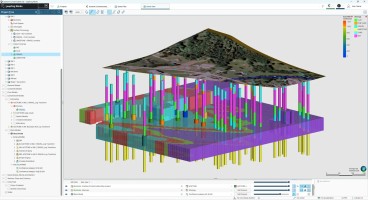
Brownfield success: Engineering excellence starts below ground

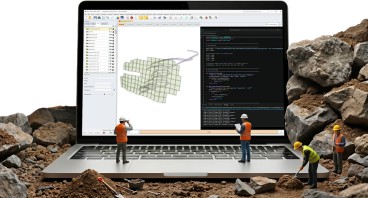
Scripting Comes to RS3: Automate, Customize, and Accelerate Your 3D Modelling

2D and 3D Analysis of Retaining Systems

Mine waste dam failure in Myanmar caught on video
Nepal’s Himalayan settlements face escalating flood and landslide threats